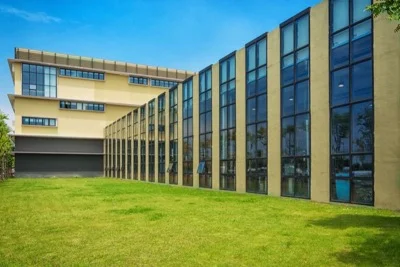
The Product Design A Level is a balance between creative design and design theory. The substantial creative project element allows you to steer the direction of your work down a more graphical route or a more 3D resistant materials route depending on your preference. The course is challenging, thought-provoking, stimulating and fast-moving, as you balance developing an understanding of design theory alongside the demands of creative project work where elements of the theory are applied. There is a balance of this with the assessment too, with 50% of the course being theory exam based and 50% coursework based in both years. For both years the component work is tailored to ‘Product Design’ from initial design to manufacture and marketing. Year One Component 1: Principles of Design and Technology You will learn about materials, processes and techniques to shape, form, join and manufacture relevant products and components. You will also learn CAD (Computer Aided Design), digital technologies, the effects of technological developments, and the factors which influence the development of a product and design history. Component 2: Design and Make Project You will undertake a small scale ‘design, make and evaluate’ project to a given ‘external’ brief from the exam board. Example briefs have been around products which (with sustainable design) promote a healthy lifestyle, independent living or caring for pets and children. A redesign, product improvement, or re-purposing of an existing product will develop your research and analytical skills. Year Two Component 1: Principles of Product Design Analytical 'Product based' exam questions considering usability, materials, manufacturing processes, existing design practices, route to market and sustainability. Component 2: Problem Solving in Product Design You will be given a scenario and product where you will need to demonstrate your analytical, problem-solving and evaluative skills in order to redesign and improve the given product. Component 3: Design and Make Project You will undertake a substantial ‘design, make and evaluate’ project of your choice, with a ‘real’ client. This requires you to produce a portfolio and a prototype outcome. This will involve justifying the project choice, creating a solution and evaluating the outcome with your ‘real’ client. In the first year you will also develop your CAD (Computer Aided Design) skills using the Solid Works 3D Computer Aided Design application leading to CAM (Computer Aided Manufacture). Additional costs There are a range of useful textbooks and students will be expected to contribute to the material expenses of manufacturing their product.
A minimum of 4 subjects at grade 5 or above at GCSE plus English Language and Maths at grade 4 or above. You should also have a creative GCSE such as Product Design, Design Technology or Art & Design.
Component 1: Principles of Design and Technology This unit is assessed by exam and makes up 50% of the final mark. Component 2: Design and Make Project This unit is assessed by project coursework, undertaking a project to a brief given by the exam board and making up 50% of the final grade. The coursework involves producing both a portfolio of design work and a 3D solution/prototype. Year Two: Component 1: Principles of Product Design This unit is exam-assessed. Component 2: Problem Solving in Product Design This unit is exam-assessed. Component 3: Design and Make Project This project requires you to produce a portfolio and 3D prototype outcome. The project is externally moderated and equates to 50% of the final grade.
About Education Provider
| Region | Yorkshire and the Humber |
| Local Authority | York |
| Ofsted Rating | Good |
| Gender Type | Co-Educational |
| Address | Sim Balk Lane, York, YO23 2BB |
The Product Design A Level is a balance between creative design and design theory. The substantial creative project element allows you to steer the direction of your work down a more graphical route or a more 3D resistant materials route depending on your preference. The course is challenging, thought-provoking, stimulating and fast-moving, as you balance developing an understanding of design theory alongside the demands of creative project work where elements of the theory are applied. There is a balance of this with the assessment too, with 50% of the course being theory exam based and 50% coursework based in both years. For both years the component work is tailored to ‘Product Design’ from initial design to manufacture and marketing. Year One Component 1: Principles of Design and Technology You will learn about materials, processes and techniques to shape, form, join and manufacture relevant products and components. You will also learn CAD (Computer Aided Design), digital technologies, the effects of technological developments, and the factors which influence the development of a product and design history. Component 2: Design and Make Project You will undertake a small scale ‘design, make and evaluate’ project to a given ‘external’ brief from the exam board. Example briefs have been around products which (with sustainable design) promote a healthy lifestyle, independent living or caring for pets and children. A redesign, product improvement, or re-purposing of an existing product will develop your research and analytical skills. Year Two Component 1: Principles of Product Design Analytical 'Product based' exam questions considering usability, materials, manufacturing processes, existing design practices, route to market and sustainability. Component 2: Problem Solving in Product Design You will be given a scenario and product where you will need to demonstrate your analytical, problem-solving and evaluative skills in order to redesign and improve the given product. Component 3: Design and Make Project You will undertake a substantial ‘design, make and evaluate’ project of your choice, with a ‘real’ client. This requires you to produce a portfolio and a prototype outcome. This will involve justifying the project choice, creating a solution and evaluating the outcome with your ‘real’ client. In the first year you will also develop your CAD (Computer Aided Design) skills using the Solid Works 3D Computer Aided Design application leading to CAM (Computer Aided Manufacture). Additional costs There are a range of useful textbooks and students will be expected to contribute to the material expenses of manufacturing their product.
A minimum of 4 subjects at grade 5 or above at GCSE plus English Language and Maths at grade 4 or above. You should also have a creative GCSE such as Product Design, Design Technology or Art & Design.
Component 1: Principles of Design and Technology This unit is assessed by exam and makes up 50% of the final mark. Component 2: Design and Make Project This unit is assessed by project coursework, undertaking a project to a brief given by the exam board and making up 50% of the final grade. The coursework involves producing both a portfolio of design work and a 3D solution/prototype. Year Two: Component 1: Principles of Product Design This unit is exam-assessed. Component 2: Problem Solving in Product Design This unit is exam-assessed. Component 3: Design and Make Project This project requires you to produce a portfolio and 3D prototype outcome. The project is externally moderated and equates to 50% of the final grade.