Many students are involved in extra-curricular ensembles, concerts, school productions and instrumental lessons. In recognition of the value that we place on music in Thurstable School and our commitment to a broad and balanced curriculum and a high-quality music education for all children, we have been designated a Music Mark School by Essex Music Hub. We are one of only ten schools in the UK that have been made a Musical Futures Music Technology Champion School because of our innovative way of incorporating music technology into our curriculum. Our intent is for students to develop their creative thinking, imagination and confidence in becoming artists and gain the understanding and passion to develop a lifelong love of music. Our curriculum focuses on the development of knowledge and skills in three areas - performing, composing listening and appraising. To maximise a student’s ability to engage with music. Performing To develop technical and musical skills on a variety of different instruments, both pitched and unpitched, including keyboard, ukuleles and untuned percussion and perform with developing confidence on their own and as a group. To be able to read music from a variety of notations. To understand different genres of music and specific instrumental techniques. Composing To be able to compose in a variety of different styles using a variety of different instruments from around the world including West African, Brazilian and European traditions both past and present. To be able to use music software to create and annotate compositions. To be allowed to develop students' musical interests through composition. Listening and Appraising To be able to recognise music from different cultures and times. To be able to use subject-specific vocabulary to describe music. To develop an appreciation and respect for music which may be unfamiliar. To be able to recognise different features in music and be able to apply them to their compositions. The work completed in key stage 3 will provide the foundation for the areas of study in GCSE and concepts learnt in key stage 3 should be applied to key stage 4. Likewise, concepts learnt at key stage 4 should be applied to key stage 5.
40 points calculated from their top 8 GCSE scores including English and Maths.
Component 1: Recording 20% Non-examined assessment: One recording, chosen from a list of 10 songs provided by Pearson Component 2: Technology-based composition 20% Non-examined assessment: One technology-based composition chosen from three briefs set by Pearson Component 3: Listening and analysing paper 25% Component 4: Producing and analysing paper 35%
About Education Provider
| Region | East of England |
| Local Authority | Essex |
| Ofsted Rating | Requires improvement |
| Gender Type | Co-Educational |
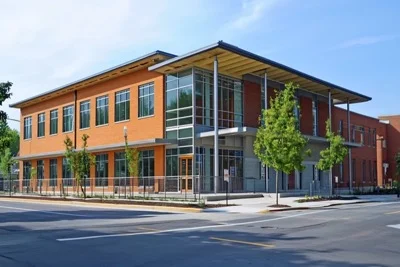
| Address | Maypole Road, Tiptree, Colchester, CO5 0EW |
Many students are involved in extra-curricular ensembles, concerts, school productions and instrumental lessons. In recognition of the value that we place on music in Thurstable School and our commitment to a broad and balanced curriculum and a high-quality music education for all children, we have been designated a Music Mark School by Essex Music Hub. We are one of only ten schools in the UK that have been made a Musical Futures Music Technology Champion School because of our innovative way of incorporating music technology into our curriculum. Our intent is for students to develop their creative thinking, imagination and confidence in becoming artists and gain the understanding and passion to develop a lifelong love of music. Our curriculum focuses on the development of knowledge and skills in three areas - performing, composing listening and appraising. To maximise a student’s ability to engage with music. Performing To develop technical and musical skills on a variety of different instruments, both pitched and unpitched, including keyboard, ukuleles and untuned percussion and perform with developing confidence on their own and as a group. To be able to read music from a variety of notations. To understand different genres of music and specific instrumental techniques. Composing To be able to compose in a variety of different styles using a variety of different instruments from around the world including West African, Brazilian and European traditions both past and present. To be able to use music software to create and annotate compositions. To be allowed to develop students' musical interests through composition. Listening and Appraising To be able to recognise music from different cultures and times. To be able to use subject-specific vocabulary to describe music. To develop an appreciation and respect for music which may be unfamiliar. To be able to recognise different features in music and be able to apply them to their compositions. The work completed in key stage 3 will provide the foundation for the areas of study in GCSE and concepts learnt in key stage 3 should be applied to key stage 4. Likewise, concepts learnt at key stage 4 should be applied to key stage 5.
40 points calculated from their top 8 GCSE scores including English and Maths.
Component 1: Recording 20% Non-examined assessment: One recording, chosen from a list of 10 songs provided by Pearson Component 2: Technology-based composition 20% Non-examined assessment: One technology-based composition chosen from three briefs set by Pearson Component 3: Listening and analysing paper 25% Component 4: Producing and analysing paper 35%