Course Content: Unit 1: Appraising Music There is a wide choice of music for students to study, discover and be inspired by: ● Music for media – music from film and TV covering the evolution of the genre, including computer game music ● Music for theatre – musical theatre ● Western classical tradition – solo baroque concerto, Mozart opera and piano music of Chopin, Brahms and Grieg ● Pop music – pop music includes artists for all musical tastes, from Joni Mitchell to Labrinth ● Jazz, contemporary traditional music and art music since 1910 Unit 2: Performance Consists of one 10–12 minute extended performance. Students offer a programme of music, performing as a soloist and/or as part of an ensemble and/or music production (via technology). Unit 3: Composition ● Composition 1: composing to a brief (25 marks) ● Composition 2: free composition (25 marks)
Two Grade 6 and four Grade 5 at GCSE level It is preferable for students to have taken GCSE or BTEC Music before studying Music at A Level and have achieved a grade 5 or above. However, if you play an instrument well (at least to grade 5 standard), are a fluent reader of notation and have a good grounding in Music theory, then you may be able to take Music at this level.
Written exam: 2 hours 30 minutes – Externally assessed by AQA . Exam paper includes listening and written questions using excerpts of music and studying a range of set pieces. ● Section A – listening (60 marks) ● Section B – analysis (30 marks) ● Section C – contextual understanding (30 marks)
About Education Provider
| Region | East Midlands |
| Local Authority | Nottinghamshire |
| Ofsted Rating | Good |
| Gender Type | Co-Educational |
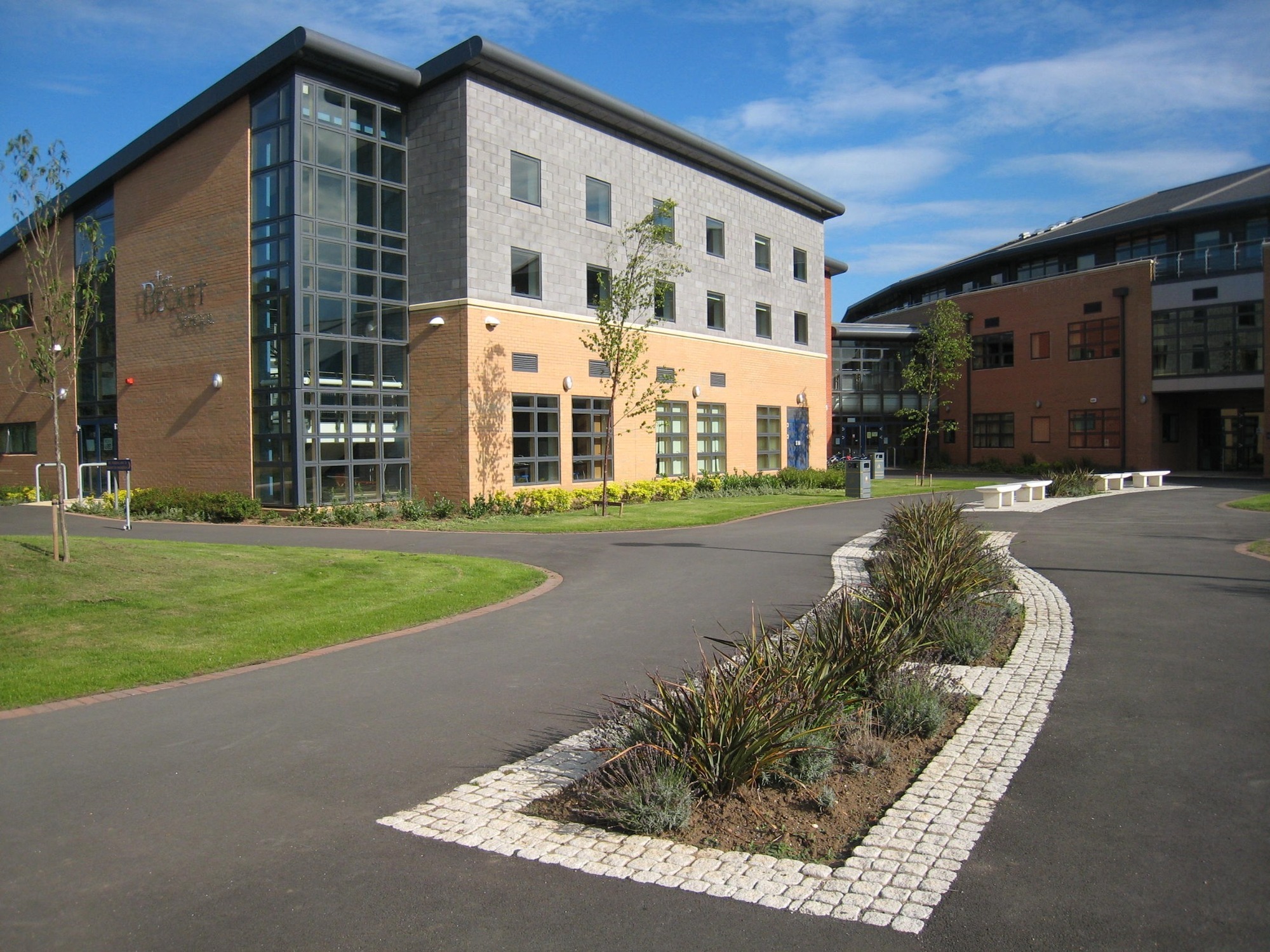
| Address | The Becket Way, Wilford Lane, West Bridgford, NG2 7QY |
Course Content: Unit 1: Appraising Music There is a wide choice of music for students to study, discover and be inspired by: ● Music for media – music from film and TV covering the evolution of the genre, including computer game music ● Music for theatre – musical theatre ● Western classical tradition – solo baroque concerto, Mozart opera and piano music of Chopin, Brahms and Grieg ● Pop music – pop music includes artists for all musical tastes, from Joni Mitchell to Labrinth ● Jazz, contemporary traditional music and art music since 1910 Unit 2: Performance Consists of one 10–12 minute extended performance. Students offer a programme of music, performing as a soloist and/or as part of an ensemble and/or music production (via technology). Unit 3: Composition ● Composition 1: composing to a brief (25 marks) ● Composition 2: free composition (25 marks)
Two Grade 6 and four Grade 5 at GCSE level It is preferable for students to have taken GCSE or BTEC Music before studying Music at A Level and have achieved a grade 5 or above. However, if you play an instrument well (at least to grade 5 standard), are a fluent reader of notation and have a good grounding in Music theory, then you may be able to take Music at this level.
Written exam: 2 hours 30 minutes – Externally assessed by AQA . Exam paper includes listening and written questions using excerpts of music and studying a range of set pieces. ● Section A – listening (60 marks) ● Section B – analysis (30 marks) ● Section C – contextual understanding (30 marks)