Psychology is the scientific study of human behaviour and is therefore directly relevant to your life. It is a fascinating subject as it seeks to understand why people behave as they do, and the complex workings of the human mind. A Level Psychology involves studying a wide range of topics. There is a lot of information to absorb and, importantly, you will need to learn how to apply this knowledge. An important skill you will learn is how to evaluate conflicting theories about human behaviour. Engaging in practical psychological research will help you to improve your knowledge of the methods psychologists use. Psychology combines well with most A Level courses. It is classified as a Science for UCAS entry, but works well alongside any Humanities options. Psychology provides a useful foundation for any career dealing with people. Students who have studied A Level Psychology study for a diverse range of degrees including Psychology, Medicine, Physiotherapy, Biomedical Sciences, Teaching and Sociology. If all this sounds interesting then Psychology may be for you.
Two Grade 6 and four Grade 5 at GCSE level Students will not be expected to have studied Psychology at GCSE, but must satisfy the general entry requirements for A Level. Overall, at least 10% of the marks in assessments for Psychology will require the use of mathematical skills. Therefore students should be working at a level of at least a level 5 in GCSE Mathematics. A grade 5 in English is also required.
As shown above the A level consists of 3 X 2 hour papers all of equal weighting. Students also complete end of topic tests at the end of each unit (around every 6 weeks over the year). Question styles in Psychology vary and include multiple choice questions, labelling diagrams, drawing graphs, designing your own study based on a scenario, short answer and extended essay writing. All key assessments are based on past exam questions and use official mark schemes. We also have mock exams in January and after Easter in year 1 and 2
About Education Provider
| Region | East Midlands |
| Local Authority | Nottinghamshire |
| Ofsted Rating | Good |
| Gender Type | Co-Educational |
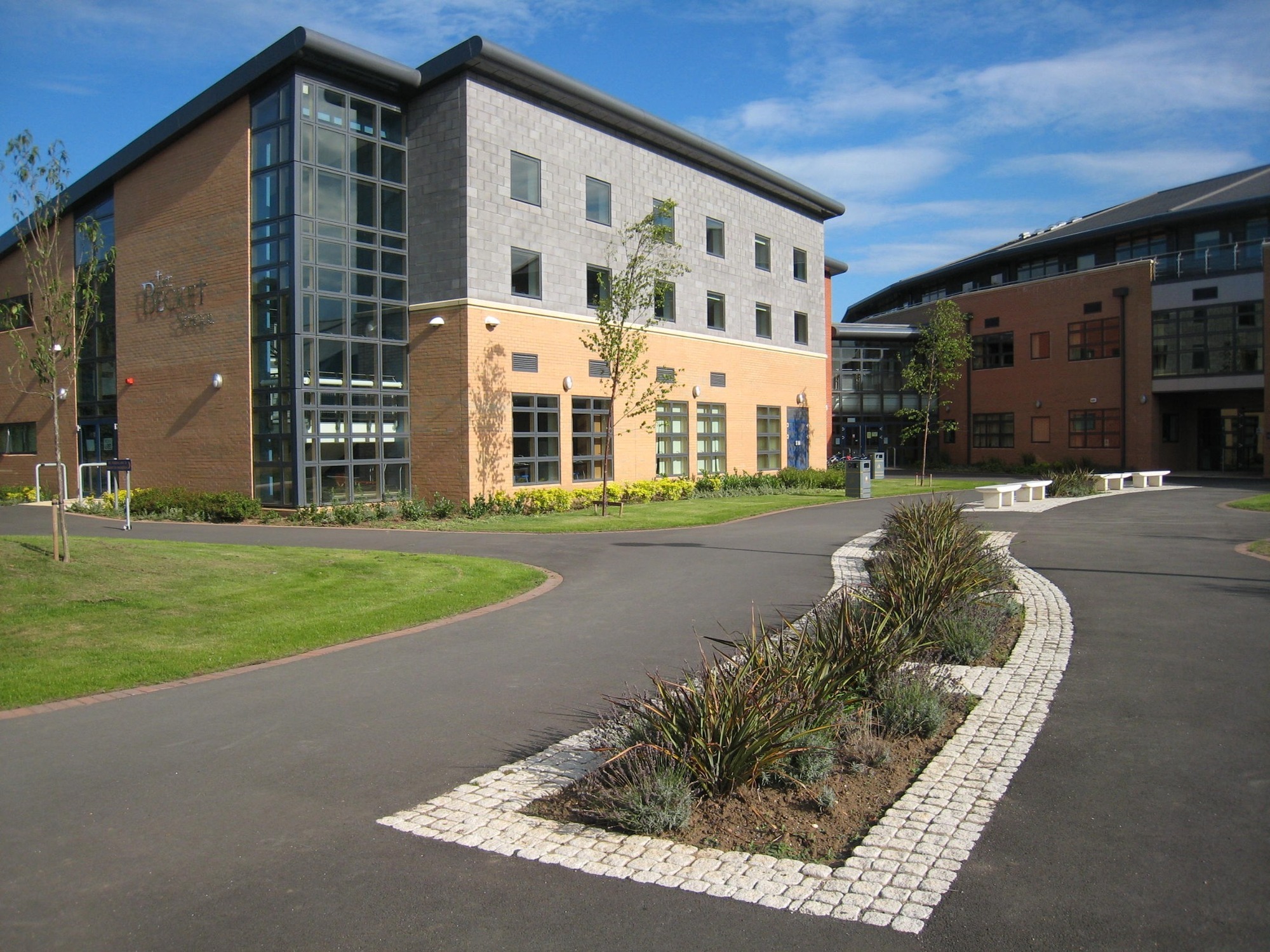
| Address | The Becket Way, Wilford Lane, West Bridgford, NG2 7QY |
Psychology is the scientific study of human behaviour and is therefore directly relevant to your life. It is a fascinating subject as it seeks to understand why people behave as they do, and the complex workings of the human mind. A Level Psychology involves studying a wide range of topics. There is a lot of information to absorb and, importantly, you will need to learn how to apply this knowledge. An important skill you will learn is how to evaluate conflicting theories about human behaviour. Engaging in practical psychological research will help you to improve your knowledge of the methods psychologists use. Psychology combines well with most A Level courses. It is classified as a Science for UCAS entry, but works well alongside any Humanities options. Psychology provides a useful foundation for any career dealing with people. Students who have studied A Level Psychology study for a diverse range of degrees including Psychology, Medicine, Physiotherapy, Biomedical Sciences, Teaching and Sociology. If all this sounds interesting then Psychology may be for you.
Two Grade 6 and four Grade 5 at GCSE level Students will not be expected to have studied Psychology at GCSE, but must satisfy the general entry requirements for A Level. Overall, at least 10% of the marks in assessments for Psychology will require the use of mathematical skills. Therefore students should be working at a level of at least a level 5 in GCSE Mathematics. A grade 5 in English is also required.
As shown above the A level consists of 3 X 2 hour papers all of equal weighting. Students also complete end of topic tests at the end of each unit (around every 6 weeks over the year). Question styles in Psychology vary and include multiple choice questions, labelling diagrams, drawing graphs, designing your own study based on a scenario, short answer and extended essay writing. All key assessments are based on past exam questions and use official mark schemes. We also have mock exams in January and after Easter in year 1 and 2