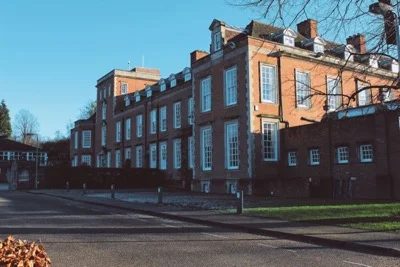
The syllabus for A Level Music is designed to cover the basic disciplines of listening, harmony and performing. Students have the opportunity to develop their practical skills as well as studying exciting and interesting set works and learning about different approaches to harmony. This qualification will enable students to develop their musical knowledge, understanding and skills, including performing, composing and appraising. Students will be encouraged to engage critically and creatively with a wide range of music and musical contexts and develop an understanding of the place of music in different cultures and contexts. A Level students are expected to participate fully in extra-curricular activities and they should also be available to perform in school concerts. It is not advisable to undertake the performing aspects of the course without regular lessons from an experienced and qualified instrumental/vocal teacher. Studying A Level Music enables students to develop a range of skills, with particular emphasis being on communication, working with others and improving learning and performance. As well as developing their musical expertise, practical musicianship and knowledge, students also develop aptitudes which are transferable to other disciplines including analysis and problem-solving.
Prospective students who are studying GCSE Music are expected to achieve grade 6 or above. Students who have not studied GCSE Music are also welcome; performers of grade 6 standard on an instrument or voice would have the necessary practical skills to consider opting for A Level Music and grade 5 theory is also useful. Students who have not studied the subject at GCSE should consult the Curriculum Leader.
About Education Provider
| Region | South East |
| Local Authority | Bracknell Forest |
| Ofsted Rating | Outstanding |
| Gender Type | Co-Educational |
| Address | Ranelagh Drive, Bracknell, RG12 9DA |
The syllabus for A Level Music is designed to cover the basic disciplines of listening, harmony and performing. Students have the opportunity to develop their practical skills as well as studying exciting and interesting set works and learning about different approaches to harmony. This qualification will enable students to develop their musical knowledge, understanding and skills, including performing, composing and appraising. Students will be encouraged to engage critically and creatively with a wide range of music and musical contexts and develop an understanding of the place of music in different cultures and contexts. A Level students are expected to participate fully in extra-curricular activities and they should also be available to perform in school concerts. It is not advisable to undertake the performing aspects of the course without regular lessons from an experienced and qualified instrumental/vocal teacher. Studying A Level Music enables students to develop a range of skills, with particular emphasis being on communication, working with others and improving learning and performance. As well as developing their musical expertise, practical musicianship and knowledge, students also develop aptitudes which are transferable to other disciplines including analysis and problem-solving.
Prospective students who are studying GCSE Music are expected to achieve grade 6 or above. Students who have not studied GCSE Music are also welcome; performers of grade 6 standard on an instrument or voice would have the necessary practical skills to consider opting for A Level Music and grade 5 theory is also useful. Students who have not studied the subject at GCSE should consult the Curriculum Leader.