Topics covered Year 1 • Physical chemistry Atomic structure, Amount of substance, Bonding, Energetics, Kinetics, Chemical equilibria, Le Chatelier’s principle and Kc, Oxidation, reduction and redox, equations, • Inorganic chemistry Periodicity, Group 2, the alkaline earth metals, Group 7(17), the halogens • Organic chemistry Introduction to organic chemistry, Alkanes, Halogenoalkanes, Alkenes, Alcohols, Organic analysis Year 2 • Physical chemistry Thermodynamics, Rate equations, Equilibrium constant Kp for homogeneous systems, Electrode potentials and electrochemical cells, Acids and bases • Inorganic chemistry Properties of Period 3 elements and their oxides, Transition metals, Reactions of ions in aqueous solution • Organic chemistry Optical isomerism, Aldehydes and ketones, Carboxylic acids and derivatives, Aromatic chemistry, Amines, Polymers, Amino acids, proteins and DNA, Organic synthesis, Nuclear magnetic resonance spectroscopy, Chromatography
If you are applying for Year 12 Faculty, you must achieve a grade of 5 or higher in the nearest equivalent subject at GCSE. If you are applying for Year 12 College, you must achieve a grade of 7 or higher in the nearest equivalent subject at GCSE.
Year 1 Paper 1: Inorganic chemistry Relevant practical skills 1 hour 30 minutes - 80 marks - 50% AS Paper 2: Organic chemistry Relevant practical skills 1 hour 30 minutes - 80 marks - 50% AS Year 2 Paper 1: What’s Assessed: Relevant physical chemistry topics Inorganic chemistry Relevant practical skills 2 hours - 105 marks - 35% A2 grade Paper 2: Organic chemistry Relevant practical skills 2 hours - 105 marks - 35% A2 grade Paper 3 2 hours - 90 marks - 30% A2 qualification
About Education Provider
| Region | Yorkshire and the Humber |
| Local Authority | North Yorkshire |
| Ofsted Rating | |
| Gender Type | Co-Educational |
| ISI Report | |
| Boarding Fee | Unknown |
| Sixth Form Fee | Unknown |
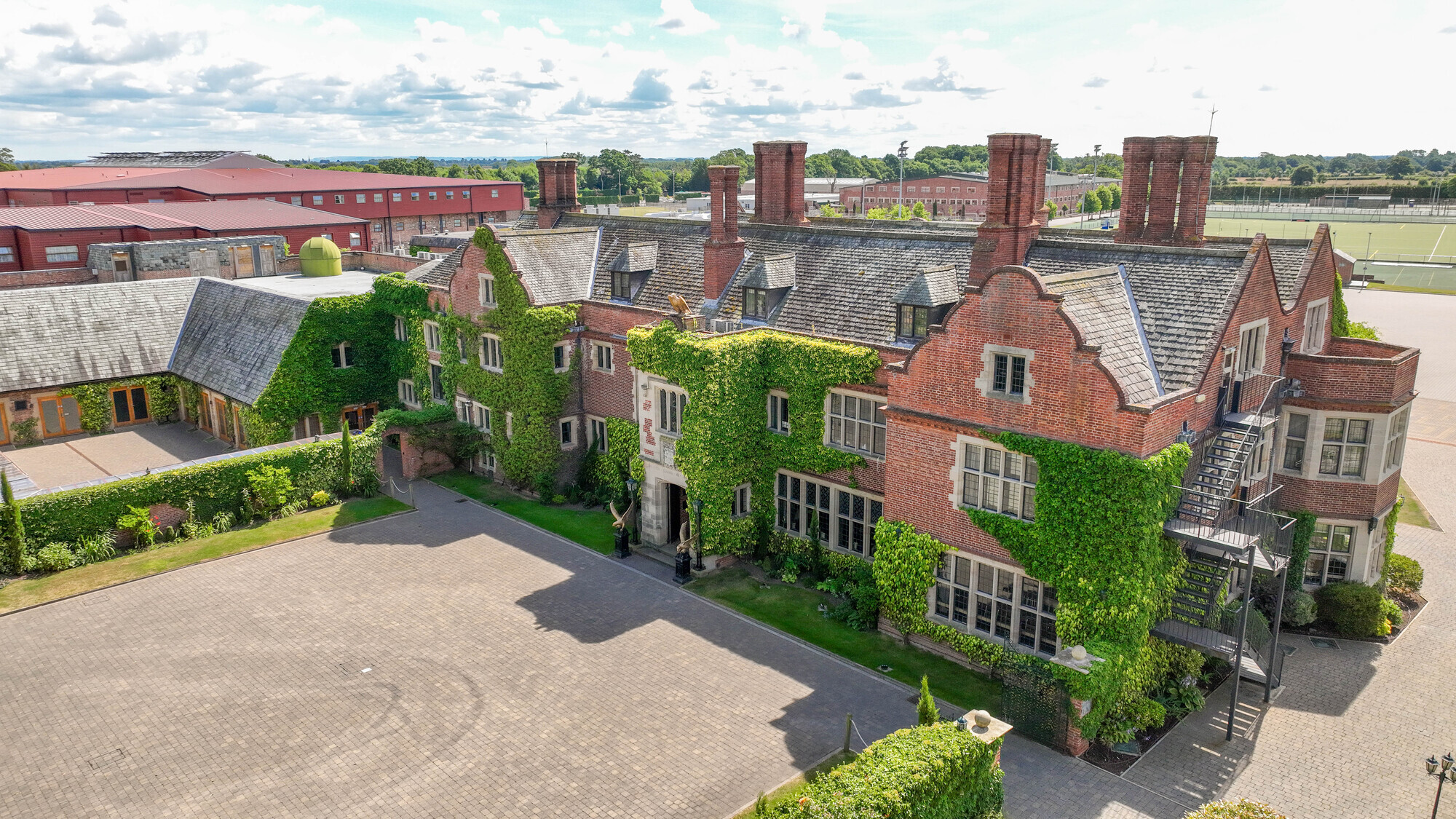
| Address | Thorpe Underwood Hall, Thorpe Underwood Estate, York, YO26 9SS |
Topics covered Year 1 • Physical chemistry Atomic structure, Amount of substance, Bonding, Energetics, Kinetics, Chemical equilibria, Le Chatelier’s principle and Kc, Oxidation, reduction and redox, equations, • Inorganic chemistry Periodicity, Group 2, the alkaline earth metals, Group 7(17), the halogens • Organic chemistry Introduction to organic chemistry, Alkanes, Halogenoalkanes, Alkenes, Alcohols, Organic analysis Year 2 • Physical chemistry Thermodynamics, Rate equations, Equilibrium constant Kp for homogeneous systems, Electrode potentials and electrochemical cells, Acids and bases • Inorganic chemistry Properties of Period 3 elements and their oxides, Transition metals, Reactions of ions in aqueous solution • Organic chemistry Optical isomerism, Aldehydes and ketones, Carboxylic acids and derivatives, Aromatic chemistry, Amines, Polymers, Amino acids, proteins and DNA, Organic synthesis, Nuclear magnetic resonance spectroscopy, Chromatography
If you are applying for Year 12 Faculty, you must achieve a grade of 5 or higher in the nearest equivalent subject at GCSE. If you are applying for Year 12 College, you must achieve a grade of 7 or higher in the nearest equivalent subject at GCSE.
Year 1 Paper 1: Inorganic chemistry Relevant practical skills 1 hour 30 minutes - 80 marks - 50% AS Paper 2: Organic chemistry Relevant practical skills 1 hour 30 minutes - 80 marks - 50% AS Year 2 Paper 1: What’s Assessed: Relevant physical chemistry topics Inorganic chemistry Relevant practical skills 2 hours - 105 marks - 35% A2 grade Paper 2: Organic chemistry Relevant practical skills 2 hours - 105 marks - 35% A2 grade Paper 3 2 hours - 90 marks - 30% A2 qualification