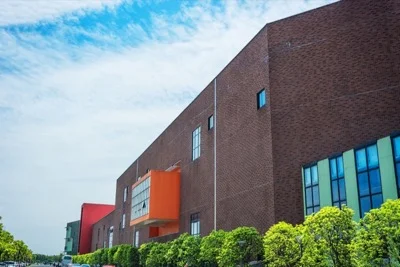
In Year 12 students are given a solid grounding in foundation Chemistry. The specification introduces the chemical reactivity of atoms and molecules and provides an understanding of their structures. The development and use of the periodic table is explained. In Year 13 the specification develops the concepts of physical chemistry. Students will study kinetics, equilibria, organic chemistry and spectroscopic techniques to determine the molecular formulae and structures of organic compounds Subject Content Areas 1. Physical chemistry 2. Inorganic chemistry 3. Organic chemistry
At least 5 GCSEs at grade 5 or above including Maths and English. Science GCSE should be at least a grade 6
The A2 examination is divided into three papers of two hours. Paper 1 examines physical chemistry and inorganic chemistry and paper 2 examines physical chemistry and organic chemistry. Both of these papers are 35% of the examination and include long and short answers. Paper 3 is worth 30% and examines practical techniques and data analysis. Practical competency is assessed via 12 practical activities.
About Education Provider
| Region | Yorkshire and the Humber |
| Local Authority | North Yorkshire |
| Ofsted Rating | |
| Gender Type | Co-Educational |
| ISI Report | View Report |
| Boarding Fee | £23,196 - £31,005 |
| Sixth Form Fee | Day £9,690 - £15,288 |
| Address | Drax, Selby, YO8 8NL |
In Year 12 students are given a solid grounding in foundation Chemistry. The specification introduces the chemical reactivity of atoms and molecules and provides an understanding of their structures. The development and use of the periodic table is explained. In Year 13 the specification develops the concepts of physical chemistry. Students will study kinetics, equilibria, organic chemistry and spectroscopic techniques to determine the molecular formulae and structures of organic compounds Subject Content Areas 1. Physical chemistry 2. Inorganic chemistry 3. Organic chemistry
At least 5 GCSEs at grade 5 or above including Maths and English. Science GCSE should be at least a grade 6
The A2 examination is divided into three papers of two hours. Paper 1 examines physical chemistry and inorganic chemistry and paper 2 examines physical chemistry and organic chemistry. Both of these papers are 35% of the examination and include long and short answers. Paper 3 is worth 30% and examines practical techniques and data analysis. Practical competency is assessed via 12 practical activities.