Course Overview This course enables students to explore a wide range of approaches to their studies. The disciplines offered by the Art department are painting and drawing, printmaking, mixed media, 3D design, textiles and digital photography. Students will be encouraged to use a variety of media and materials to develop their creative skills and express their individual thoughts, feelings, observations and ideas in visual form. Drawing is an essential part of the course and there are opportunities to draw from direct observation. Students will study the work of other artists to develop an understanding of continuity and change across different genres, styles and traditions and then apply this knowledge to their own work. Why should I study A Level Art? A Level Art allows you to develop an exciting and extensive range of creative and technical skills. You will also gain a strong understanding of historic and contemporary visual art practice, through supporting contextual studies. Unique to studying Art at A Level, you build up a very personal and continually evolving body of practical work, guided and supported by your teachers. Individual exploration and development of your personal skills and creative directions is a special aspect of this subject. A strong Art training can also develop highly valuable transferable skills, including creative ideas development, problem-solving, contextual interpretation, and visual communication, as well as organisational, presentation and team-working skills. What can I do afterwards? Successful A Level Art students can go on to study a range of Art & Design foundation and degree courses, nationally and internationally, and train in their area of specialism. The creative and cultural Arts industries express and reflect the importance of creativity and culture in our society. All around us artists create the world we inhabit, and contribute to a thriving and important industry which has a vast range of exciting career options and choices. These can include working in Fine Art, Fashion, Graphic Design, Film or Architecture, for example, as well as many other possible creative Art & Design jobs and careers.
This course requires a Grade 6 or above in GCSE Art & Design
Personal Investigation – internally-assessed, externally moderated, worth 60% of A Level. Learners produce a portfolio of practical work and a related study, which is an extended response of a guided minimum of 1000 words. Externally-set task – internally-assessed, externally-moderated (15hrs) worth 40% of A Level. The early release paper will provide learners with a number of themes. Within the themes, there will be a choice of written and visual starting points, briefs and stimuli. A response should be based on one of these options.
About Education Provider
| Region | South East |
| Local Authority | Surrey |
| Ofsted Rating | Good |
| Gender Type | Co-Educational |
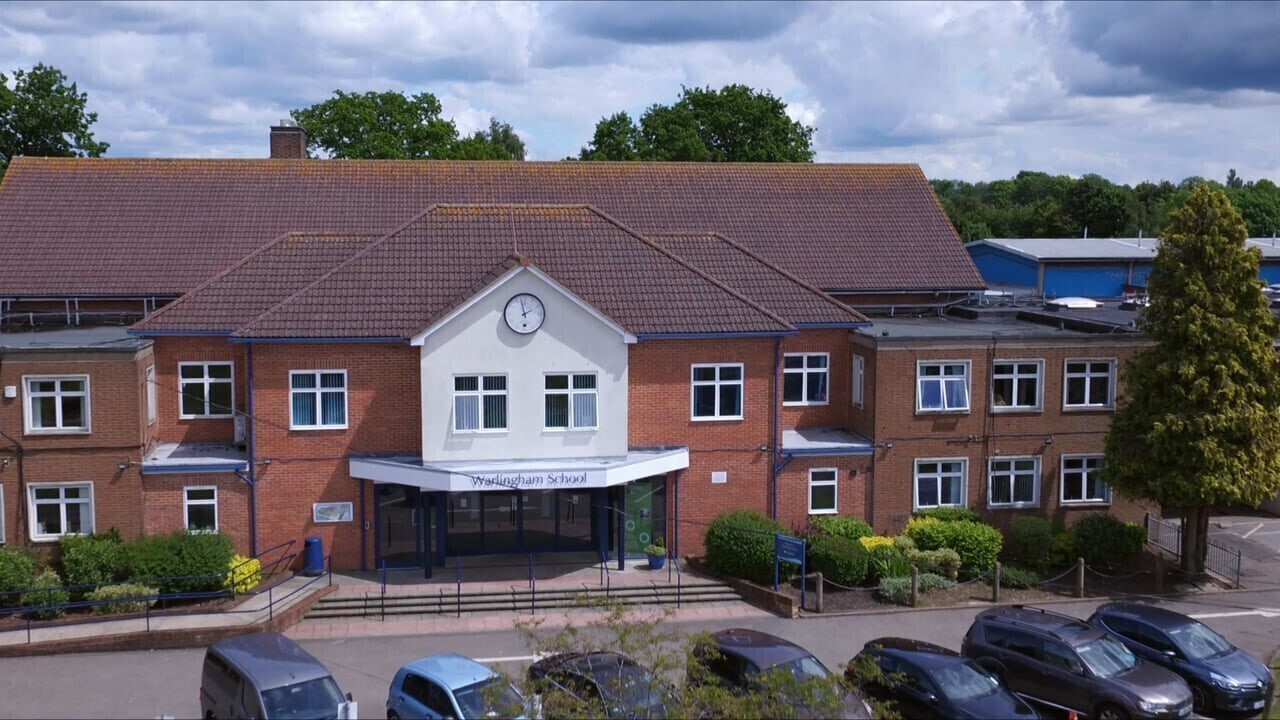
| Address | Tithepit Shaw Lane, Warlingham, CR6 9YB |
Course Overview This course enables students to explore a wide range of approaches to their studies. The disciplines offered by the Art department are painting and drawing, printmaking, mixed media, 3D design, textiles and digital photography. Students will be encouraged to use a variety of media and materials to develop their creative skills and express their individual thoughts, feelings, observations and ideas in visual form. Drawing is an essential part of the course and there are opportunities to draw from direct observation. Students will study the work of other artists to develop an understanding of continuity and change across different genres, styles and traditions and then apply this knowledge to their own work. Why should I study A Level Art? A Level Art allows you to develop an exciting and extensive range of creative and technical skills. You will also gain a strong understanding of historic and contemporary visual art practice, through supporting contextual studies. Unique to studying Art at A Level, you build up a very personal and continually evolving body of practical work, guided and supported by your teachers. Individual exploration and development of your personal skills and creative directions is a special aspect of this subject. A strong Art training can also develop highly valuable transferable skills, including creative ideas development, problem-solving, contextual interpretation, and visual communication, as well as organisational, presentation and team-working skills. What can I do afterwards? Successful A Level Art students can go on to study a range of Art & Design foundation and degree courses, nationally and internationally, and train in their area of specialism. The creative and cultural Arts industries express and reflect the importance of creativity and culture in our society. All around us artists create the world we inhabit, and contribute to a thriving and important industry which has a vast range of exciting career options and choices. These can include working in Fine Art, Fashion, Graphic Design, Film or Architecture, for example, as well as many other possible creative Art & Design jobs and careers.
This course requires a Grade 6 or above in GCSE Art & Design
Personal Investigation – internally-assessed, externally moderated, worth 60% of A Level. Learners produce a portfolio of practical work and a related study, which is an extended response of a guided minimum of 1000 words. Externally-set task – internally-assessed, externally-moderated (15hrs) worth 40% of A Level. The early release paper will provide learners with a number of themes. Within the themes, there will be a choice of written and visual starting points, briefs and stimuli. A response should be based on one of these options.