Course Overview The aims and objectives of this course are to enable students to build on their existing knowledge and skills to: • recognise and be able to analyse the complexity of people–environment interactions, and appreciate how they are key to understanding the key issues facing the world today. • gain understanding of specialised concepts such as inequality, representation, identity, globalisation, interdependence, mitigation and adaptation, sustainability, risk and resilience. • undertake fieldwork that encourages them to apply and evaluate theory in the real world, by selecting research questions, applying relevant techniques and skills, and identifying appropriate ways of analysing and communicating findings. Paper 1: Tectonic Processes & Hazards, Coastal Landscapes & Change, The Water Cycle & Water Insecurity and The Carbon Cycle & Energy Security/Climate Change Futures Paper 2: Globalisation, Regenerating Places, Superpowers and Health, Human Rights & Intervention Paper 3: A synoptic exam, based on issues from the whole course using a resource booklet Coursework: A student-chosen question/issue to be investigated, based on any part of the course, including data collection, analysis and evaluation. Why should I study A Level Geography? Find out more about the human and physical world around you. Geography is the only subject that can give you a balanced view of how global systems such as climate, economics, politics, ecology, and tectonics truly relate to each another and, while doing so, investigate the biggest threats to our life on this fragile planet. Geography is highly valued by universities as an A Level choice. The Russell Group names Geography as one of the main facilitating subjects which are often required or preferred for entry to degree courses. In recent years, the Guardian also named Geography the “must have A Level” for this reason. Geography combines very well with both arts and science subjects as we regularly use skills and knowledge from both, making Geography a great fit with whatever other subjects you choose. We are also the best-travelled department in school: join us for the Iceland trip! What can I do afterwards? Whatever you want! For careers in the world of business/accountancy: an understanding of global economics forms an important part of geography. For a career in law, human rights etc.: the opportunity to consider relevant issues such as: how do we measure development? What are the consequences of migration on societies? Even if you are working towards a future career in medicine, Geography is still a perfect choice! It gives your A Levels the breadth that universities seek, with an understanding of how the environment affects health and survival of people, animals and ecosystems, while enhancing your skills in writing essays and extended reports.
This course requires a Grade 5 or above in GCSE Geography, if taken, otherwise a Grade 5 or above in any Humanities GCSE. If no Humanities GCSEs were taken, a Grade 5 in GCSE English, or in exceptional circumstances, a Grade 4 will be considered.
Paper 1 – externally-assessed, written paper (2 hrs 15 mins) worth 30% of the A Level Paper 2 – externally-assessed, written paper (2 hrs 15 mins) worth 30% of the A Level Paper 3 – externally-assessed, written paper (2 hrs 15 mins) worth 20% of the A Level Coursework – (3000–4000 words) worth 20% of the A Leve
About Education Provider
| Region | South East |
| Local Authority | Surrey |
| Ofsted Rating | Good |
| Gender Type | Co-Educational |
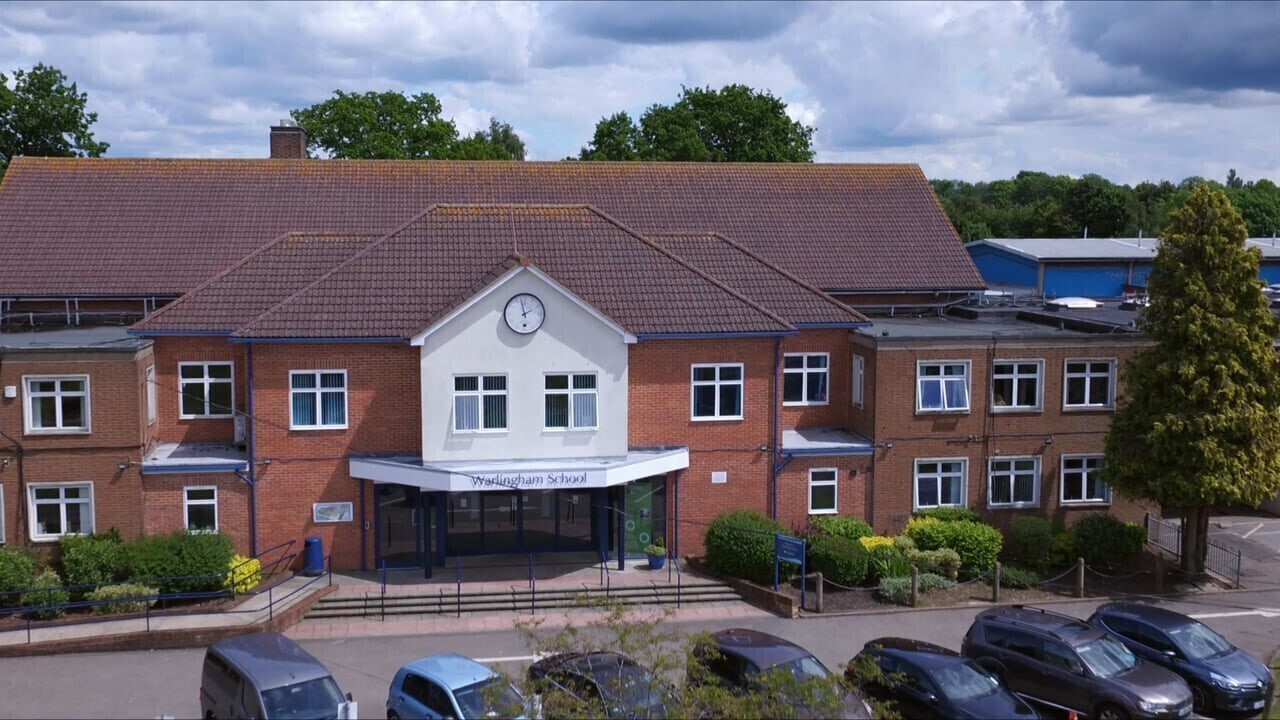
| Address | Tithepit Shaw Lane, Warlingham, CR6 9YB |
Course Overview The aims and objectives of this course are to enable students to build on their existing knowledge and skills to: • recognise and be able to analyse the complexity of people–environment interactions, and appreciate how they are key to understanding the key issues facing the world today. • gain understanding of specialised concepts such as inequality, representation, identity, globalisation, interdependence, mitigation and adaptation, sustainability, risk and resilience. • undertake fieldwork that encourages them to apply and evaluate theory in the real world, by selecting research questions, applying relevant techniques and skills, and identifying appropriate ways of analysing and communicating findings. Paper 1: Tectonic Processes & Hazards, Coastal Landscapes & Change, The Water Cycle & Water Insecurity and The Carbon Cycle & Energy Security/Climate Change Futures Paper 2: Globalisation, Regenerating Places, Superpowers and Health, Human Rights & Intervention Paper 3: A synoptic exam, based on issues from the whole course using a resource booklet Coursework: A student-chosen question/issue to be investigated, based on any part of the course, including data collection, analysis and evaluation. Why should I study A Level Geography? Find out more about the human and physical world around you. Geography is the only subject that can give you a balanced view of how global systems such as climate, economics, politics, ecology, and tectonics truly relate to each another and, while doing so, investigate the biggest threats to our life on this fragile planet. Geography is highly valued by universities as an A Level choice. The Russell Group names Geography as one of the main facilitating subjects which are often required or preferred for entry to degree courses. In recent years, the Guardian also named Geography the “must have A Level” for this reason. Geography combines very well with both arts and science subjects as we regularly use skills and knowledge from both, making Geography a great fit with whatever other subjects you choose. We are also the best-travelled department in school: join us for the Iceland trip! What can I do afterwards? Whatever you want! For careers in the world of business/accountancy: an understanding of global economics forms an important part of geography. For a career in law, human rights etc.: the opportunity to consider relevant issues such as: how do we measure development? What are the consequences of migration on societies? Even if you are working towards a future career in medicine, Geography is still a perfect choice! It gives your A Levels the breadth that universities seek, with an understanding of how the environment affects health and survival of people, animals and ecosystems, while enhancing your skills in writing essays and extended reports.
This course requires a Grade 5 or above in GCSE Geography, if taken, otherwise a Grade 5 or above in any Humanities GCSE. If no Humanities GCSEs were taken, a Grade 5 in GCSE English, or in exceptional circumstances, a Grade 4 will be considered.
Paper 1 – externally-assessed, written paper (2 hrs 15 mins) worth 30% of the A Level Paper 2 – externally-assessed, written paper (2 hrs 15 mins) worth 30% of the A Level Paper 3 – externally-assessed, written paper (2 hrs 15 mins) worth 20% of the A Level Coursework – (3000–4000 words) worth 20% of the A Leve