Why study English Language and Literature? The Language and Literature course asks students to examine, interpret and analyse a wide range of both literary and non-literary texts. Non-literary texts may include but are not exclusive to: biography, essays, screenplays, manifestos, adverts and articles. The course has the dual aspect benefits of learning how to formulate a critical and well-constructed argument, and of exploring how to examine, analyse and evaluate texts from a range of styles. The course design includes a wide variety of texts from across time, space, culture, genre and form; giving students the opportunity to immerse themselves in literature, language and interpretation. Skills developed and obtained in analysis; criticism; the reading of challenging materials, both literary and non- literary, and the construction of a written argument, will be transferable to a wide range of professions including journalism, law, politics, marketing and education.
GCSE Grade 6 in English Literature or Language
External Assessment: Paper 1: Guided textual analysis 35% 2 hours and 15 minutes Two non-literary passages, from two different texts types, each accompanied by a question. Candidates write an analysis of each of the passages. Paper 2: Comparative essay 25% 1 hour 45 minutes Choice of four general comparative questions. Candidates answer one question using two literary works from the course. Higher Level essay: 20% 1200-1500 words Students submit an essay on one non-literary text or a collection of non-literary texts by one same author, or a literary text or work studied during the course. Internal assessment: Individual oral 20% 15 minutes A 10 minute presentation comparing two extracts, , one literary and one non-literary. Followed by 5 minutes of questions by the teacher, to the following prompt: Examine the ways in which the global issue of your choice is presented through the content and form of two of the texts that you have studied.
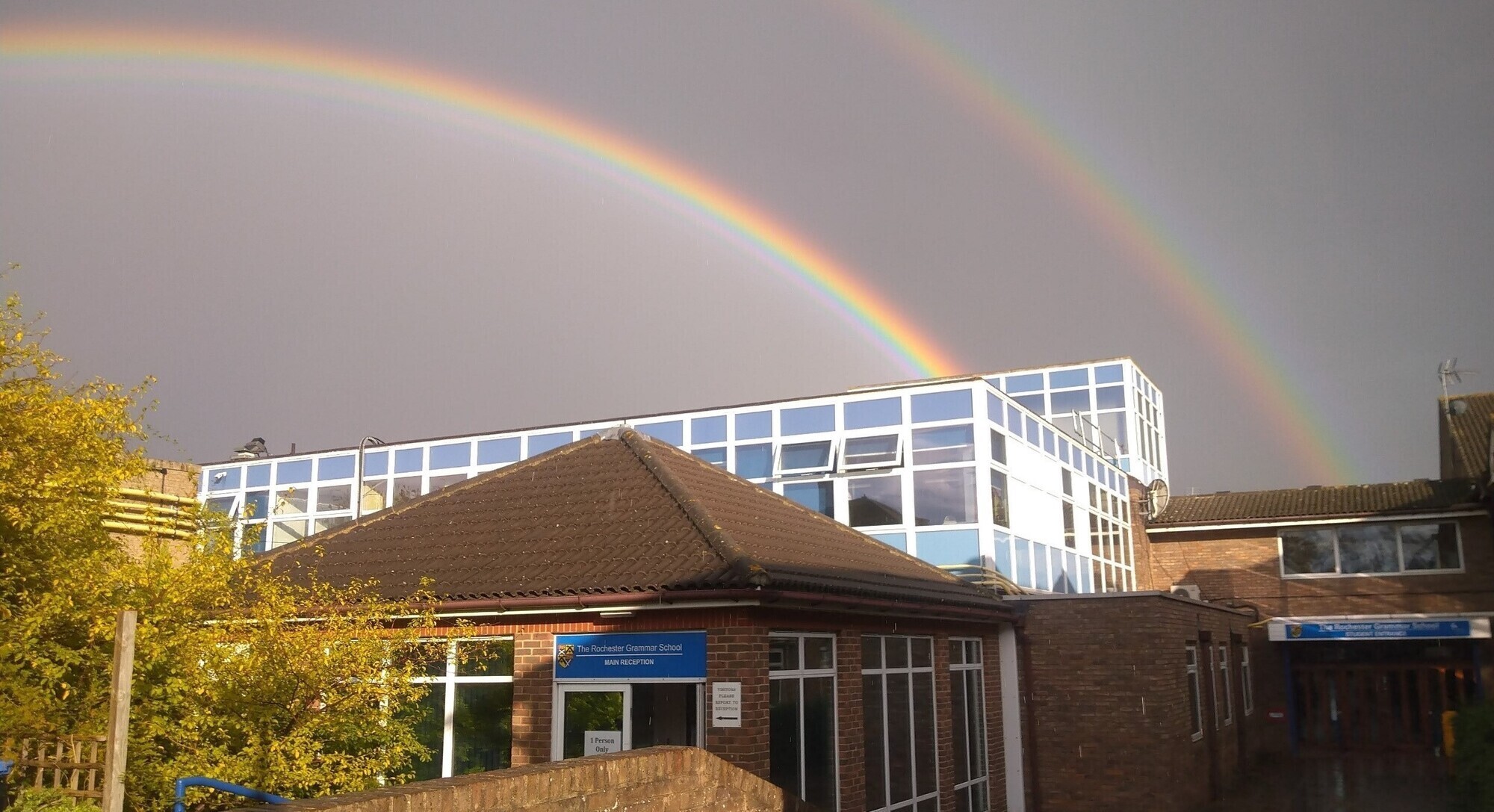
About Education Provider
| Region | South East |
| Local Authority | Medway |
| Ofsted Rating | Good |
| Gender Type | Girls |
| Address | Maidstone Road, Rochester, ME1 3BY |
Why study English Language and Literature? The Language and Literature course asks students to examine, interpret and analyse a wide range of both literary and non-literary texts. Non-literary texts may include but are not exclusive to: biography, essays, screenplays, manifestos, adverts and articles. The course has the dual aspect benefits of learning how to formulate a critical and well-constructed argument, and of exploring how to examine, analyse and evaluate texts from a range of styles. The course design includes a wide variety of texts from across time, space, culture, genre and form; giving students the opportunity to immerse themselves in literature, language and interpretation. Skills developed and obtained in analysis; criticism; the reading of challenging materials, both literary and non- literary, and the construction of a written argument, will be transferable to a wide range of professions including journalism, law, politics, marketing and education.
GCSE Grade 6 in English Literature or Language
External Assessment: Paper 1: Guided textual analysis 35% 2 hours and 15 minutes Two non-literary passages, from two different texts types, each accompanied by a question. Candidates write an analysis of each of the passages. Paper 2: Comparative essay 25% 1 hour 45 minutes Choice of four general comparative questions. Candidates answer one question using two literary works from the course. Higher Level essay: 20% 1200-1500 words Students submit an essay on one non-literary text or a collection of non-literary texts by one same author, or a literary text or work studied during the course. Internal assessment: Individual oral 20% 15 minutes A 10 minute presentation comparing two extracts, , one literary and one non-literary. Followed by 5 minutes of questions by the teacher, to the following prompt: Examine the ways in which the global issue of your choice is presented through the content and form of two of the texts that you have studied.