If learning what a mortgage is or how a credit card works is of interest, or if you are considering a career in Banking or the financial services industry then this is the course for you! You will adopt the role of financial advisor, analysing a person’s situation and suggesting financial products to suit their circumstances. This course will help you understand finances and the influences that they have on everyday life and is accredited by the London Institute of Banking and Finance (LIBF). This is a modern subject using up to the minute news and economic developments that have an ever increasing role within the jobs market and the economy. Financial Studies students are expected to be aware of the news and developments within financial services markets. You will study the following Units: Unit 1: Financial Capability for the Immediate and Short Term (FCIS) You will gain an appreciation of why money is important through focusing on what money is; attitudes to it; and how it can affect life choices. The Unit introduces you to the financial services industry by focusing on the interaction between money, personal finance and the financial services market place. You will also consider how your needs for money will change as you go through life. Unit 2: Financial Capability for the Medium and Long Term (FCML) You will gain the ability to plan and manage your financial needs in the medium and long term, with particular reference to the importance of the need to budget for future aspirations and life events. You will consider the changing priorities attached to needs, wants and aspirations as individuals progress through the personal life cycle and the role of financial services in assisting lifelong financial planning. You will gain an understanding of the personal approaches that individuals take towards risk and rewards and the impact of foreseen and unforeseen influences on financial budgeting. Unit 3: Sustainability of an Individual's Finances (SIF) You will gain the ability to plan and manage your financial needs in the medium and long term, with particular reference to the importance of the need to budget for future aspirations and life events. Unit 4: Sustainability of the Financial Services System (SFS) By studying SFS students will analyse the impact of marketing techniques employed by financial services providers and the impact of changes in the financial services market and the effect this has on consumers.
Typically, you will have achieved a Grade 4 in either GCSE English Language or GCSE English Literature. You will also have achieved a Grade 4 or higher in GCSE Maths. Where you do not meet the entry requirements, your application will still be considered during interview where we can ascertain your knowledge and commitment to this subject.
For the full Diploma, the course will consist of four units; two in year 1 and two in year 2. The course is assessed through exam unit's only. Students must successfully pass the Certificate (first year of the course) to progress onto the Diploma in Financial Studies (DipFS) in Year 13.
About Education Provider
| Region | East of England |
| Local Authority | Essex |
| Ofsted Rating | Good |
| Gender Type | Co-Educational |
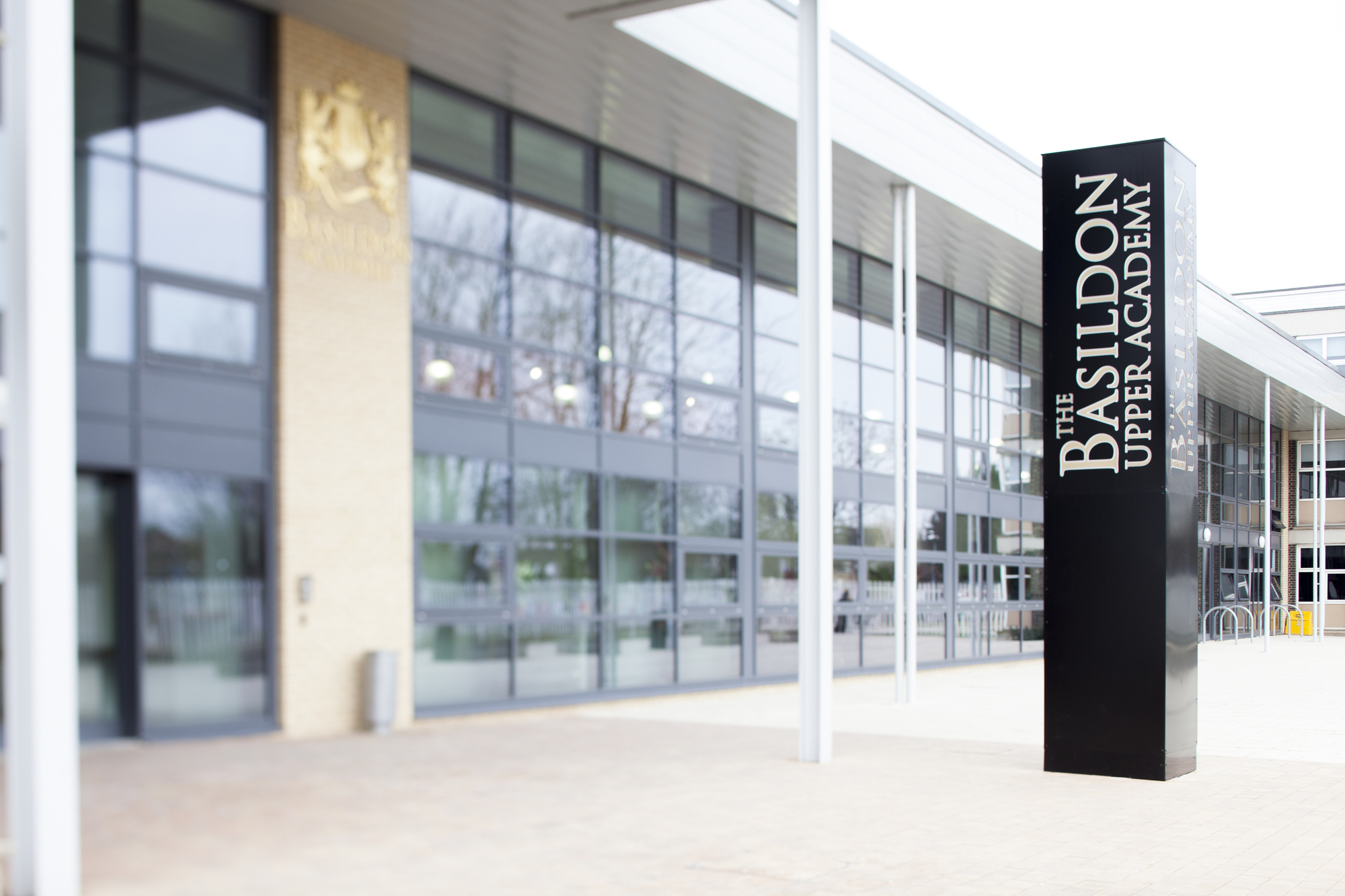
| Address | Wickford Avenue, Basildon, SS13 3HL |
If learning what a mortgage is or how a credit card works is of interest, or if you are considering a career in Banking or the financial services industry then this is the course for you! You will adopt the role of financial advisor, analysing a person’s situation and suggesting financial products to suit their circumstances. This course will help you understand finances and the influences that they have on everyday life and is accredited by the London Institute of Banking and Finance (LIBF). This is a modern subject using up to the minute news and economic developments that have an ever increasing role within the jobs market and the economy. Financial Studies students are expected to be aware of the news and developments within financial services markets. You will study the following Units: Unit 1: Financial Capability for the Immediate and Short Term (FCIS) You will gain an appreciation of why money is important through focusing on what money is; attitudes to it; and how it can affect life choices. The Unit introduces you to the financial services industry by focusing on the interaction between money, personal finance and the financial services market place. You will also consider how your needs for money will change as you go through life. Unit 2: Financial Capability for the Medium and Long Term (FCML) You will gain the ability to plan and manage your financial needs in the medium and long term, with particular reference to the importance of the need to budget for future aspirations and life events. You will consider the changing priorities attached to needs, wants and aspirations as individuals progress through the personal life cycle and the role of financial services in assisting lifelong financial planning. You will gain an understanding of the personal approaches that individuals take towards risk and rewards and the impact of foreseen and unforeseen influences on financial budgeting. Unit 3: Sustainability of an Individual's Finances (SIF) You will gain the ability to plan and manage your financial needs in the medium and long term, with particular reference to the importance of the need to budget for future aspirations and life events. Unit 4: Sustainability of the Financial Services System (SFS) By studying SFS students will analyse the impact of marketing techniques employed by financial services providers and the impact of changes in the financial services market and the effect this has on consumers.
Typically, you will have achieved a Grade 4 in either GCSE English Language or GCSE English Literature. You will also have achieved a Grade 4 or higher in GCSE Maths. Where you do not meet the entry requirements, your application will still be considered during interview where we can ascertain your knowledge and commitment to this subject.
For the full Diploma, the course will consist of four units; two in year 1 and two in year 2. The course is assessed through exam unit's only. Students must successfully pass the Certificate (first year of the course) to progress onto the Diploma in Financial Studies (DipFS) in Year 13.