What will I learn on this course? • how the British system government works and how it compares to the systems in the USA and other European countries • how Britain changed during the Thatcher years • how the Blair government changed the constitution • how the media affects the political process • the different approaches to key issues such as law and order, health, the economy, and Europe • the impact of the Coalition government • an understanding of the way a parliamentary democracy works and to analyse how democratic the British system is • how to develop the skills to argue a case logically and clearly What kind of student is this course suitable for? This course will appeal to those students who • enjoy debating current affairs and politics generally • have a keen appreciation of the need to participate in the decision-making process • like doing a subject that affects their everyday lives • like doing a subject that offers the opportunity to progress to a career in politics • want to keep their options open - Politics can be a useful choice for a wide range of careers and can be combined with a wide range of social science and humanities subjects How can I develop my full range of skills by doing this course? As well as covering advanced level study of Government and Politics, this course will enable you to develop some key skills, which will be essential to you whatever you go on to do afterwards. The key skills you can develop during this course are • communication • application of number • information technology • problem solving • working with others • improving own learning and performance What could I go on to do at the end of my course? Students with Advanced Level Government and Politics have access to a wide range of possible career and higher education opportunities. You learn and use a variety of transferable skills throughout the course. These include collecting and analysing information and evaluating different political ideas and systems. Your written communication skills will develop greatly as will your ability to question information given to you. These skills are in great demand and are recognised by employers, universities and colleges as being of great value. Government and Politics combines well with a range of social science and humanities subjects to lead to University courses in such areas as business, economics, law, media, philosophy and, of course, politics. Students who choose not to go on to higher studies will have well developed transferable skills that will allow them to explore a wide range of employment opportunities.
Grade 5 in History GCSE or a Grade 5 in English GCSE Each course has a general and a subject specific requirement. The general requirement will depend on the programme you are studying. Please see the general requirement for each programme below. Programme 4; Four A Levels: 7 GCSEs Grades at 9-5 including English and Maths (plus subject specific entry criteria) Programme 3; Three A Levels/Vocational courses and EPQ: 5 GCSEs Grades at 9-4 with a minimum of five or more Grade 5s including English and Maths (plus subject specific entry criteria) Programme 2; Three A Levels/Vocational courses: 5 GCSEs Grades at 9-4 including English and Maths (plus subject specific entry criteria) Programme 1; Three A Levels/Vocational courses and Maths GCSE (retake): 5 GCSEs Grades at 9-4 including a Grade 5 in English and a Grade 3 in Maths (plus subject specific entry criteria)
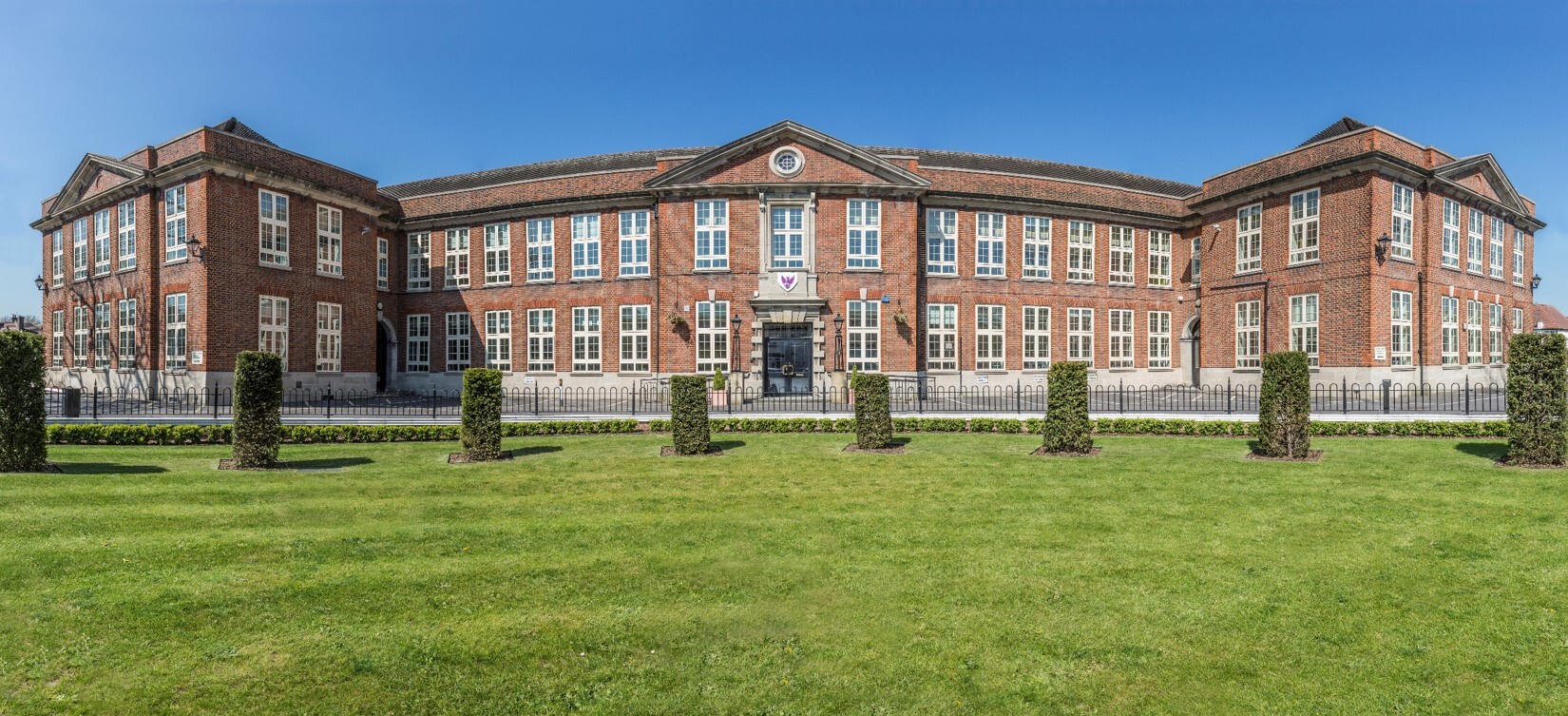
About Education Provider
| Region | London |
| Local Authority | Ealing |
| Ofsted Rating | Outstanding |
| Gender Type | Co-Educational |
| Address | Drayton Bridge Road, Hanwell, London, W7 1EU |
What will I learn on this course? • how the British system government works and how it compares to the systems in the USA and other European countries • how Britain changed during the Thatcher years • how the Blair government changed the constitution • how the media affects the political process • the different approaches to key issues such as law and order, health, the economy, and Europe • the impact of the Coalition government • an understanding of the way a parliamentary democracy works and to analyse how democratic the British system is • how to develop the skills to argue a case logically and clearly What kind of student is this course suitable for? This course will appeal to those students who • enjoy debating current affairs and politics generally • have a keen appreciation of the need to participate in the decision-making process • like doing a subject that affects their everyday lives • like doing a subject that offers the opportunity to progress to a career in politics • want to keep their options open - Politics can be a useful choice for a wide range of careers and can be combined with a wide range of social science and humanities subjects How can I develop my full range of skills by doing this course? As well as covering advanced level study of Government and Politics, this course will enable you to develop some key skills, which will be essential to you whatever you go on to do afterwards. The key skills you can develop during this course are • communication • application of number • information technology • problem solving • working with others • improving own learning and performance What could I go on to do at the end of my course? Students with Advanced Level Government and Politics have access to a wide range of possible career and higher education opportunities. You learn and use a variety of transferable skills throughout the course. These include collecting and analysing information and evaluating different political ideas and systems. Your written communication skills will develop greatly as will your ability to question information given to you. These skills are in great demand and are recognised by employers, universities and colleges as being of great value. Government and Politics combines well with a range of social science and humanities subjects to lead to University courses in such areas as business, economics, law, media, philosophy and, of course, politics. Students who choose not to go on to higher studies will have well developed transferable skills that will allow them to explore a wide range of employment opportunities.
Grade 5 in History GCSE or a Grade 5 in English GCSE Each course has a general and a subject specific requirement. The general requirement will depend on the programme you are studying. Please see the general requirement for each programme below. Programme 4; Four A Levels: 7 GCSEs Grades at 9-5 including English and Maths (plus subject specific entry criteria) Programme 3; Three A Levels/Vocational courses and EPQ: 5 GCSEs Grades at 9-4 with a minimum of five or more Grade 5s including English and Maths (plus subject specific entry criteria) Programme 2; Three A Levels/Vocational courses: 5 GCSEs Grades at 9-4 including English and Maths (plus subject specific entry criteria) Programme 1; Three A Levels/Vocational courses and Maths GCSE (retake): 5 GCSEs Grades at 9-4 including a Grade 5 in English and a Grade 3 in Maths (plus subject specific entry criteria)