What do I need to know or be able to do before taking this course? No previous knowledge of Sociology is required or assumed. More vital is a desire to learn about human interaction/how society works and an interest in social issues. Sociology A-level involves some complex theoretical issues and debates. What is Sociology? Sociology is a social science. This means it is the study of human interaction and behaviour within society. It is the study of society. By that, we mean all the influences on us which make us act in the way that we do. Sociologists try to understand human behaviour, and to do this, they also try to understand how other people affect us. Questions sociologists ask include • how does society shape our lives? • do rich people exploit poor people? • are single parents a problem for society? • do government policies affect families? • how do the media affect the crime rate? The aims of the syllabus are for students to • develop a critical understanding of the diversity of concepts, theories and methods used within Sociology. NB - critical does not mean negative, it is about exercising good judgement in arguments for or against things • apply Sociology to an analysis of contemporary society/social issues and to their own experiences, thus deepening their understanding • gain experience in carrying out a sociological enquiry using sociological methods of investigation What topics does the Advanced Level Course offer? 1. Education and Research Methods – this includes the role and function of the education system, differential educational achievement of social groups by class, gender and ethnicity, and the significance and impact of educational policies. Students we also examine research methods used by sociologists and consider these within the context of education. 2. Crime and Deviance with Theory and Methods – this includes crime, deviance, social order and social control. Students will explore the social distribution of crime and deviance by ethnicity, gender and social class. Students will also consider crime in contemporary society, media and crime, green crime, human rights and state crimes, and issues of crime control, surveillance, prevention and punishment, and the role of the criminal justice system. 3. Families and Households – Students will examine changes to the structure of the family and the relationships that exist within it, and how these have been influenced by changes in society such as the decline of religion, the liberation of women, changes to the law and social policies and in relation to social structures. 4. Beliefs in Society – Students will evaluate the role of religion in society with a focus on the benefits it can bring for society and the individual, as well as the negative aspects such as social control and dominance over ideology. Students will explore changes in the belief systems that exist within the UK and the reasons behind these trends. What kind of student is this course suitable for? This course will appeal to students who • have an enquiring mind and who are interested in finding out what motivates people to behave as they do • enjoy learning through investigation and discovery (Sociology does not have all the answers but it can help us to ask appropriate questions) • are interested in social issues and like to keep informed about events • have a point of view on issues but like to keep an open mind • are either humanities students who wish to combine Sociology with History, English and/or Psychology or Science students who wish to broaden their Science Advanced Level with an Advanced Level Social Science How can I develop my full range of skills by doing this course? Advanced Level Sociology will enable the student to develop both subject specific and key skills. Sociological skills fall into the following three skills domains • Knowledge and Understandingof sociological concepts, theories and research data • Applicationwhich refers to being able to make sense of sociological data in various contexts and to use information and arguments relevantly • Evaluation, Analysis and Interpretationof evidence and arguments Students’ key skills of effective communication, exercising objective judgement, listening to alternative viewpoints, working with others, using IT and taking responsibility for their own learning will also be enhanced. What could I go on to do at the end of my course? Any course, activity, career or profession which involves the study of working with / helping and undertaking research. Sociology Advanced Level provides a good foundation for careers in Social/ Public Administration, Nursing, Hospital Administration, Social Work, Lecturing, Teaching, Research, Law, Business or Journalism. However, Sociology is a good discipline which can be applied to most occupations.
Grade 5 in Sociology GCSE or a Grade 5 in English GCSE if Sociology not studied Each course has a general and a subject specific requirement. The general requirement will depend on the programme you are studying. Please see the general requirement for each programme below. Programme 4; Four A Levels: 7 GCSEs Grades at 9-5 including English and Maths (plus subject specific entry criteria) Programme 3; Three A Levels/Vocational courses and EPQ: 5 GCSEs Grades at 9-4 with a minimum of five or more Grade 5s including English and Maths (plus subject specific entry criteria) Programme 2; Three A Levels/Vocational courses: 5 GCSEs Grades at 9-4 including English and Maths (plus subject specific entry criteria) Programme 1; Three A Levels/Vocational courses and Maths GCSE (retake): 5 GCSEs Grades at 9-4 including a Grade 5 in English and a Grade 3 in Maths (plus subject specific entry criteria)
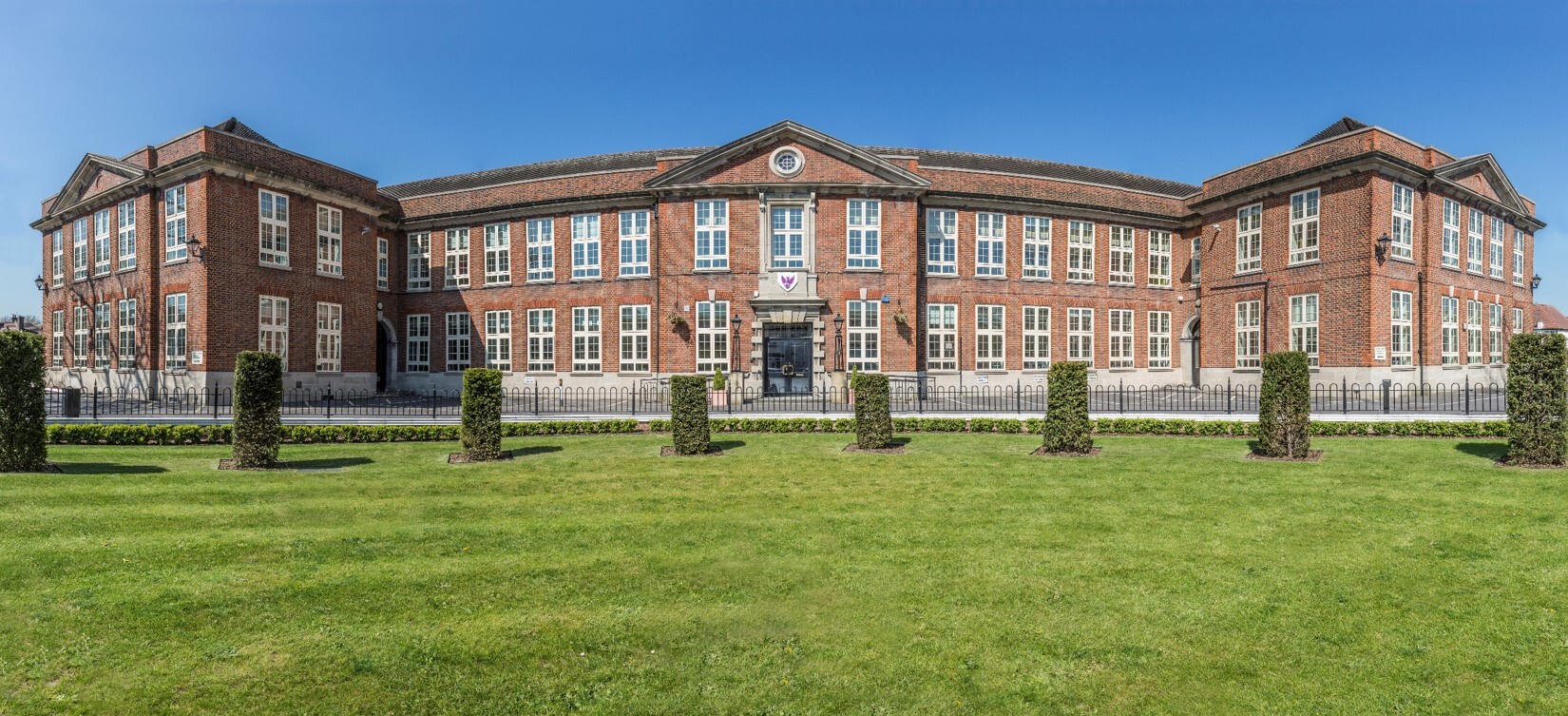
About Education Provider
| Region | London |
| Local Authority | Ealing |
| Ofsted Rating | Outstanding |
| Gender Type | Co-Educational |
| Address | Drayton Bridge Road, Hanwell, London, W7 1EU |
What do I need to know or be able to do before taking this course? No previous knowledge of Sociology is required or assumed. More vital is a desire to learn about human interaction/how society works and an interest in social issues. Sociology A-level involves some complex theoretical issues and debates. What is Sociology? Sociology is a social science. This means it is the study of human interaction and behaviour within society. It is the study of society. By that, we mean all the influences on us which make us act in the way that we do. Sociologists try to understand human behaviour, and to do this, they also try to understand how other people affect us. Questions sociologists ask include • how does society shape our lives? • do rich people exploit poor people? • are single parents a problem for society? • do government policies affect families? • how do the media affect the crime rate? The aims of the syllabus are for students to • develop a critical understanding of the diversity of concepts, theories and methods used within Sociology. NB - critical does not mean negative, it is about exercising good judgement in arguments for or against things • apply Sociology to an analysis of contemporary society/social issues and to their own experiences, thus deepening their understanding • gain experience in carrying out a sociological enquiry using sociological methods of investigation What topics does the Advanced Level Course offer? 1. Education and Research Methods – this includes the role and function of the education system, differential educational achievement of social groups by class, gender and ethnicity, and the significance and impact of educational policies. Students we also examine research methods used by sociologists and consider these within the context of education. 2. Crime and Deviance with Theory and Methods – this includes crime, deviance, social order and social control. Students will explore the social distribution of crime and deviance by ethnicity, gender and social class. Students will also consider crime in contemporary society, media and crime, green crime, human rights and state crimes, and issues of crime control, surveillance, prevention and punishment, and the role of the criminal justice system. 3. Families and Households – Students will examine changes to the structure of the family and the relationships that exist within it, and how these have been influenced by changes in society such as the decline of religion, the liberation of women, changes to the law and social policies and in relation to social structures. 4. Beliefs in Society – Students will evaluate the role of religion in society with a focus on the benefits it can bring for society and the individual, as well as the negative aspects such as social control and dominance over ideology. Students will explore changes in the belief systems that exist within the UK and the reasons behind these trends. What kind of student is this course suitable for? This course will appeal to students who • have an enquiring mind and who are interested in finding out what motivates people to behave as they do • enjoy learning through investigation and discovery (Sociology does not have all the answers but it can help us to ask appropriate questions) • are interested in social issues and like to keep informed about events • have a point of view on issues but like to keep an open mind • are either humanities students who wish to combine Sociology with History, English and/or Psychology or Science students who wish to broaden their Science Advanced Level with an Advanced Level Social Science How can I develop my full range of skills by doing this course? Advanced Level Sociology will enable the student to develop both subject specific and key skills. Sociological skills fall into the following three skills domains • Knowledge and Understandingof sociological concepts, theories and research data • Applicationwhich refers to being able to make sense of sociological data in various contexts and to use information and arguments relevantly • Evaluation, Analysis and Interpretationof evidence and arguments Students’ key skills of effective communication, exercising objective judgement, listening to alternative viewpoints, working with others, using IT and taking responsibility for their own learning will also be enhanced. What could I go on to do at the end of my course? Any course, activity, career or profession which involves the study of working with / helping and undertaking research. Sociology Advanced Level provides a good foundation for careers in Social/ Public Administration, Nursing, Hospital Administration, Social Work, Lecturing, Teaching, Research, Law, Business or Journalism. However, Sociology is a good discipline which can be applied to most occupations.
Grade 5 in Sociology GCSE or a Grade 5 in English GCSE if Sociology not studied Each course has a general and a subject specific requirement. The general requirement will depend on the programme you are studying. Please see the general requirement for each programme below. Programme 4; Four A Levels: 7 GCSEs Grades at 9-5 including English and Maths (plus subject specific entry criteria) Programme 3; Three A Levels/Vocational courses and EPQ: 5 GCSEs Grades at 9-4 with a minimum of five or more Grade 5s including English and Maths (plus subject specific entry criteria) Programme 2; Three A Levels/Vocational courses: 5 GCSEs Grades at 9-4 including English and Maths (plus subject specific entry criteria) Programme 1; Three A Levels/Vocational courses and Maths GCSE (retake): 5 GCSEs Grades at 9-4 including a Grade 5 in English and a Grade 3 in Maths (plus subject specific entry criteria)