About the course This course is designed to encourage the students to take a broad view of technology and design, to develop their capacity to design and make products and to appreciate the complex relations between design, materials, manufacture and marketing. 3D Design is intended to reflect the wide-ranging activities of professional designers and covers a wide range of materials. Written papers will be restricted to testing the core content, but other materials such as ceramics and textiles and other areas such as electronics and mechanisms can be incorporated to produce exciting coursework. 3D Design also contains a section on Communication Methods. Graphics are an integral part of Design & Technology work. Therefore, it is important that students can communicate their thinking clearly and represent their ideas graphically. What I need to know or be able to do before taking this course? Candidates wishing to study Design and Technology / Product Design should have studied a GCSE in Design Technology or completed a Technical award in a specific subject area. It will be assumed that candidates have an elementary knowledge of most of the following • designing and making skills needed to produce end products • materials common forms of paper/card, modelling materials, fibres and fabrics, plastics, wood, light weight metals and composites • components and processes as used in products • system &control functions as applied to the planning and manufacturing of products, or as components within products • products and their applications • health and safety issues and a range of experience drawn from the wider study of Graphical and Textiles materials based products, or Systems and Control within products. What will I learn on this course? The course will offer candidates opportunities to acquire and demonstrate • knowledge and understanding of the world of designing and making • flair and technological capabilities through the making of quality outcomes • an awareness of industrial processes and manufacturing techniques that underpin the manufacture of products and systems within products • an awareness of the responsibilities of Designers and Technologists to mankind through an increasing knowledge of the potentials and hazards inherent in technology advance, change and decision making • manage resources and time whilst applying the safety principles of the focus area What kind of student is this course suitable for? This course will appeal to students who • have an interest in the world of design and the technological achievements that surround us • enjoy developing their own design skills and ideas, and solving design problems • want to study the impact of economic, technological and environmental factors on the way we live • want to develop their self-confidence. • want to offer a broad selection of subjects at AS/Advanced Level to keep their options open • enjoy practical and creative work How can I develop my full range of skills by doing this course? As well as covering Advanced Level study of Design and Technology, this course will enable you to develop some Key Skills, which will be essential to whatever you do afterwards. The key skills you can develop during this course are • communication • information technology • numeracy • problem solving • working with others • improving own learning performance The Advanced Level Design &Technology course offers you plenty of opportunities to acquire key skills, which arise naturally as part of the design process and design briefs, which you are set throughout the course. What could I go on to do at the end of my course? Students who study Advanced Level Design and Technology have access to a wide range of career and Higher Education opportunities. By the end of the course you will have learned how to solve design problems for a variety of human needs, evaluate and analyse information, communicate complex design ideas effectively. These skills are recognised and valued by employers, universities and colleges.
Students need to have studied Design and Technology at GCSE level and gained a grade 5 or above or a grade 6 in English GCSE if D&T was not studied. Each course has a general and a subject specific requirement. The general requirement will depend on the programme you are studying. Please see the general requirement for each programme below. Programme 4; Four A Levels: 7 GCSEs Grades at 9-5 including English and Maths (plus subject specific entry criteria) Programme 3; Three A Levels/Vocational courses and EPQ: 5 GCSEs Grades at 9-4 with a minimum of five or more Grade 5s including English and Maths (plus subject specific entry criteria) Programme 2; Three A Levels/Vocational courses: 5 GCSEs Grades at 9-4 including English and Maths (plus subject specific entry criteria) Programme 1; Three A Levels/Vocational courses and Maths GCSE (retake): 5 GCSEs Grades at 9-4 including a Grade 5 in English and a Grade 3 in Maths (plus subject specific entry criteria)
About Education Provider
| Region | London |
| Local Authority | Ealing |
| Ofsted Rating | Outstanding |
| Gender Type | Co-Educational |
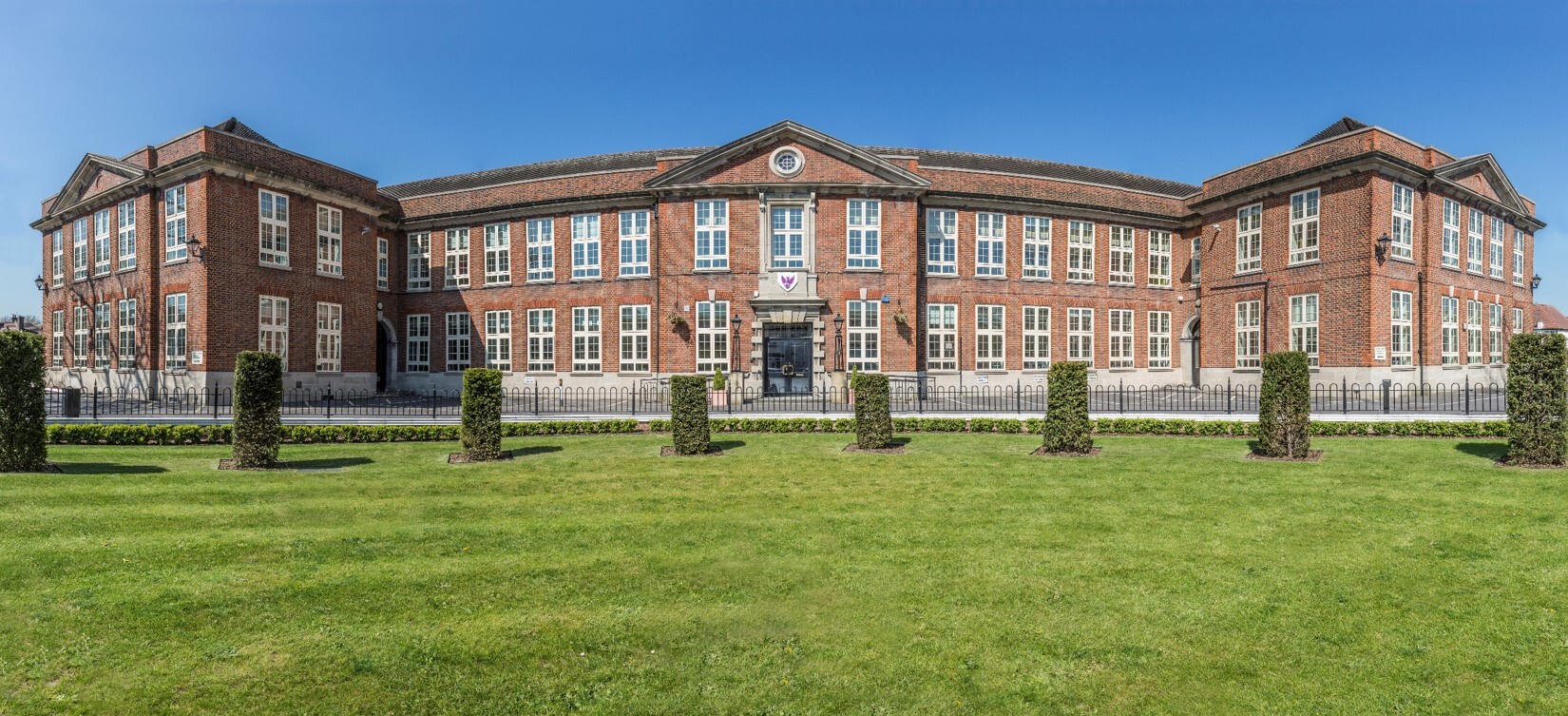
| Address | Drayton Bridge Road, Hanwell, London, W7 1EU |
About the course This course is designed to encourage the students to take a broad view of technology and design, to develop their capacity to design and make products and to appreciate the complex relations between design, materials, manufacture and marketing. 3D Design is intended to reflect the wide-ranging activities of professional designers and covers a wide range of materials. Written papers will be restricted to testing the core content, but other materials such as ceramics and textiles and other areas such as electronics and mechanisms can be incorporated to produce exciting coursework. 3D Design also contains a section on Communication Methods. Graphics are an integral part of Design & Technology work. Therefore, it is important that students can communicate their thinking clearly and represent their ideas graphically. What I need to know or be able to do before taking this course? Candidates wishing to study Design and Technology / Product Design should have studied a GCSE in Design Technology or completed a Technical award in a specific subject area. It will be assumed that candidates have an elementary knowledge of most of the following • designing and making skills needed to produce end products • materials common forms of paper/card, modelling materials, fibres and fabrics, plastics, wood, light weight metals and composites • components and processes as used in products • system &control functions as applied to the planning and manufacturing of products, or as components within products • products and their applications • health and safety issues and a range of experience drawn from the wider study of Graphical and Textiles materials based products, or Systems and Control within products. What will I learn on this course? The course will offer candidates opportunities to acquire and demonstrate • knowledge and understanding of the world of designing and making • flair and technological capabilities through the making of quality outcomes • an awareness of industrial processes and manufacturing techniques that underpin the manufacture of products and systems within products • an awareness of the responsibilities of Designers and Technologists to mankind through an increasing knowledge of the potentials and hazards inherent in technology advance, change and decision making • manage resources and time whilst applying the safety principles of the focus area What kind of student is this course suitable for? This course will appeal to students who • have an interest in the world of design and the technological achievements that surround us • enjoy developing their own design skills and ideas, and solving design problems • want to study the impact of economic, technological and environmental factors on the way we live • want to develop their self-confidence. • want to offer a broad selection of subjects at AS/Advanced Level to keep their options open • enjoy practical and creative work How can I develop my full range of skills by doing this course? As well as covering Advanced Level study of Design and Technology, this course will enable you to develop some Key Skills, which will be essential to whatever you do afterwards. The key skills you can develop during this course are • communication • information technology • numeracy • problem solving • working with others • improving own learning performance The Advanced Level Design &Technology course offers you plenty of opportunities to acquire key skills, which arise naturally as part of the design process and design briefs, which you are set throughout the course. What could I go on to do at the end of my course? Students who study Advanced Level Design and Technology have access to a wide range of career and Higher Education opportunities. By the end of the course you will have learned how to solve design problems for a variety of human needs, evaluate and analyse information, communicate complex design ideas effectively. These skills are recognised and valued by employers, universities and colleges.
Students need to have studied Design and Technology at GCSE level and gained a grade 5 or above or a grade 6 in English GCSE if D&T was not studied. Each course has a general and a subject specific requirement. The general requirement will depend on the programme you are studying. Please see the general requirement for each programme below. Programme 4; Four A Levels: 7 GCSEs Grades at 9-5 including English and Maths (plus subject specific entry criteria) Programme 3; Three A Levels/Vocational courses and EPQ: 5 GCSEs Grades at 9-4 with a minimum of five or more Grade 5s including English and Maths (plus subject specific entry criteria) Programme 2; Three A Levels/Vocational courses: 5 GCSEs Grades at 9-4 including English and Maths (plus subject specific entry criteria) Programme 1; Three A Levels/Vocational courses and Maths GCSE (retake): 5 GCSEs Grades at 9-4 including a Grade 5 in English and a Grade 3 in Maths (plus subject specific entry criteria)