What do I need to know or be able to do before taking this course? You will need to feel confident at this level in the four language skills of Listening, Reading, Writing and Speaking. You must also have some knowledge and understanding of the culture and way of life of the target-language country. You need to be interested in developing this understanding and in exploring in much more depth the topic areas that you will have covered at GCSE as well as being open-minded about studying politics, culture, literature and film. What will I learn on this course? The course will help you to develop your general study skills, but most of all you will learn to communicate at a higher level in the language that you have chosen. You will also learn much more about a wide range of aspects of the society or societies in which the language is spoken. Reading You will be able to read, understand and extract information from written passages in the target language that are taken from authentic sources, such as magazines and newspapers, reports or books. Listening You will be able to listen to, and understand contemporary spoken language and answer questions on what you have heard. The passages that you will learn to listen to will be taken from a range of sources such as news reports on the radio or TV, weather forecasts, announcements, interviews and discussions. Speaking and Writing You will learn how to write essays or longer pieces and to hold conversations and discussions in the target language. You will learn all the appropriate grammar, words and phrases that will help you to: • present information in the target language • organise your arguments • provide opinions • analyse your ideas What kind of student is this course suitable for? If you are interested in languages and communication, and you enjoy learning about other cultures and ways of life, then the Modern Foreign Languages course could be suitable for you. Similarly, if you are interested in the business world, in travel or tourism, in literature, or in journalism and the media, then you are also likely to find the course appropriate. There are a number of options in the course where you can choose your topic or question to suit your interests. Whether you want to use language for work, for further study, training, or for leisure, this course will equip you with the necessary skills and knowledge. How can I develop my full range of skills by doing this course? As well as covering advanced level study of Modern Foreign Languages, this course will enable you to develop some Key Skills, which will be essential to you whatever you go on to do afterwards. The Key Skills you can develop during this course are listed in the table below: Key Skill Typical Activities Communication: Presenting topics and expressing opinions and ideas/writing a letter to an environmental organisation seeking information. Information Technology: Producing a newsletter or poster/using the internet and CD ROMS. Working with others Role-plays/working on an exchange project/work experience abroad. Improving own learning and performance: Setting targets with the teacher for classwork and homework and/or oral topic/receiving feedback on work and taking forward suggestions on how to improve it. What could I go on to do at the end of my course? There will be a range of opportunities open to you, where you can continue to use and further develop your language skills and knowledge of contemporary society. Some students choose to do degree courses in languages; others choose to pursue a Higher Education course in another subject, but choose a language option alongside it. Having a language at Advanced Level will certainly improve your employability, in particular with companies which have international branches. Whether you are interested in continuing your studies or working at home or abroad, a language course is an excellent step towards achieving your goals. Work Experience / Intensive courses / Homestays / Immersion Programme We always aim to run trips and/or visits which complement your studies. More information will be provided by your language teacher once the course starts.
Grade 6 in Spanish GCSE Each course has a general and a subject specific requirement. The general requirement will depend on the programme you are studying. Please see the general requirement for each programme below. Programme 4; Four A Levels: 7 GCSEs Grades at 9-5 including English and Maths (plus subject specific entry criteria) Programme 3; Three A Levels/Vocational courses and EPQ: 5 GCSEs Grades at 9-4 with a minimum of five or more Grade 5s including English and Maths (plus subject specific entry criteria) Programme 2; Three A Levels/Vocational courses: 5 GCSEs Grades at 9-4 including English and Maths (plus subject specific entry criteria) Programme 1; Three A Levels/Vocational courses and Maths GCSE (retake): 5 GCSEs Grades at 9-4 including a Grade 5 in English and a Grade 3 in Maths (plus subject specific entry criteria)
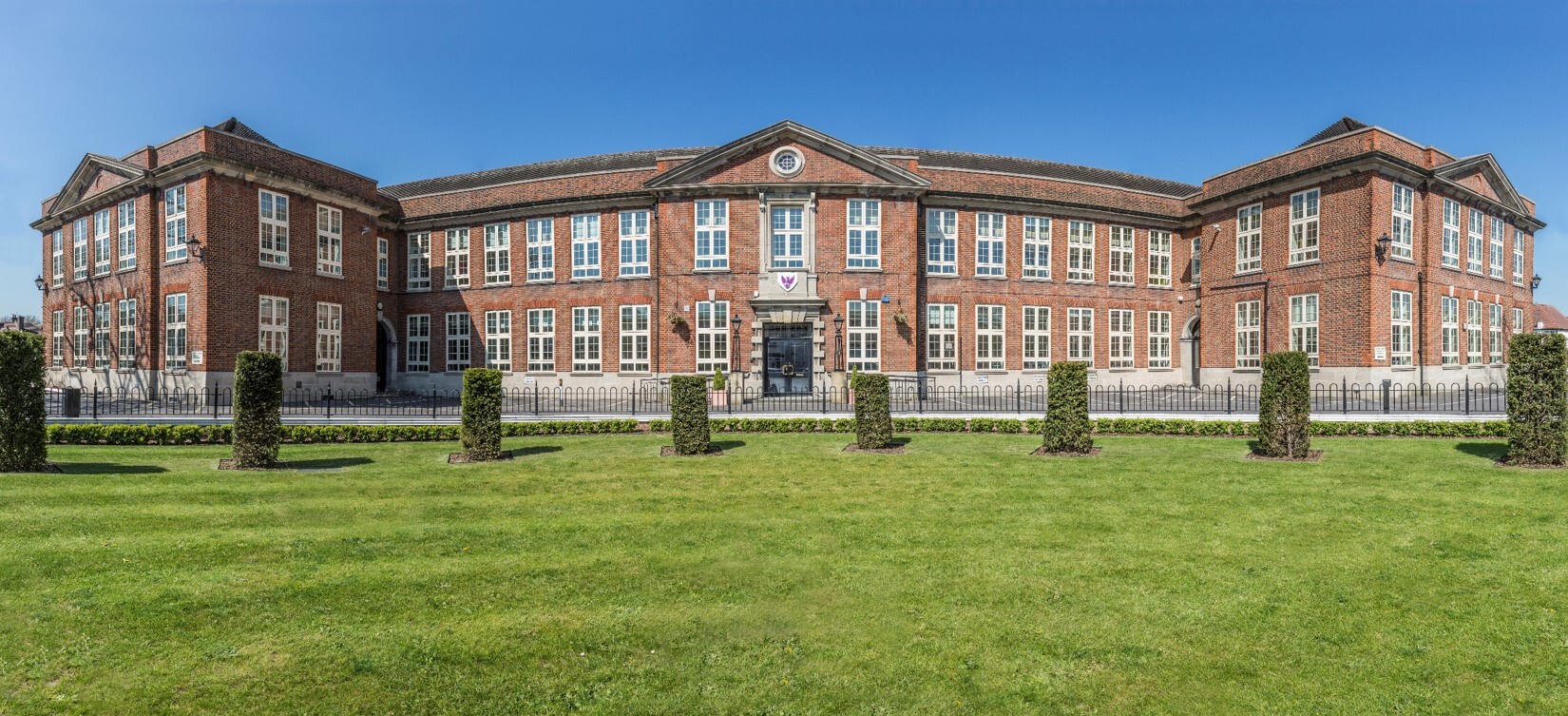
About Education Provider
| Region | London |
| Local Authority | Ealing |
| Ofsted Rating | Outstanding |
| Gender Type | Co-Educational |
| Address | Drayton Bridge Road, Hanwell, London, W7 1EU |
What do I need to know or be able to do before taking this course? You will need to feel confident at this level in the four language skills of Listening, Reading, Writing and Speaking. You must also have some knowledge and understanding of the culture and way of life of the target-language country. You need to be interested in developing this understanding and in exploring in much more depth the topic areas that you will have covered at GCSE as well as being open-minded about studying politics, culture, literature and film. What will I learn on this course? The course will help you to develop your general study skills, but most of all you will learn to communicate at a higher level in the language that you have chosen. You will also learn much more about a wide range of aspects of the society or societies in which the language is spoken. Reading You will be able to read, understand and extract information from written passages in the target language that are taken from authentic sources, such as magazines and newspapers, reports or books. Listening You will be able to listen to, and understand contemporary spoken language and answer questions on what you have heard. The passages that you will learn to listen to will be taken from a range of sources such as news reports on the radio or TV, weather forecasts, announcements, interviews and discussions. Speaking and Writing You will learn how to write essays or longer pieces and to hold conversations and discussions in the target language. You will learn all the appropriate grammar, words and phrases that will help you to: • present information in the target language • organise your arguments • provide opinions • analyse your ideas What kind of student is this course suitable for? If you are interested in languages and communication, and you enjoy learning about other cultures and ways of life, then the Modern Foreign Languages course could be suitable for you. Similarly, if you are interested in the business world, in travel or tourism, in literature, or in journalism and the media, then you are also likely to find the course appropriate. There are a number of options in the course where you can choose your topic or question to suit your interests. Whether you want to use language for work, for further study, training, or for leisure, this course will equip you with the necessary skills and knowledge. How can I develop my full range of skills by doing this course? As well as covering advanced level study of Modern Foreign Languages, this course will enable you to develop some Key Skills, which will be essential to you whatever you go on to do afterwards. The Key Skills you can develop during this course are listed in the table below: Key Skill Typical Activities Communication: Presenting topics and expressing opinions and ideas/writing a letter to an environmental organisation seeking information. Information Technology: Producing a newsletter or poster/using the internet and CD ROMS. Working with others Role-plays/working on an exchange project/work experience abroad. Improving own learning and performance: Setting targets with the teacher for classwork and homework and/or oral topic/receiving feedback on work and taking forward suggestions on how to improve it. What could I go on to do at the end of my course? There will be a range of opportunities open to you, where you can continue to use and further develop your language skills and knowledge of contemporary society. Some students choose to do degree courses in languages; others choose to pursue a Higher Education course in another subject, but choose a language option alongside it. Having a language at Advanced Level will certainly improve your employability, in particular with companies which have international branches. Whether you are interested in continuing your studies or working at home or abroad, a language course is an excellent step towards achieving your goals. Work Experience / Intensive courses / Homestays / Immersion Programme We always aim to run trips and/or visits which complement your studies. More information will be provided by your language teacher once the course starts.
Grade 6 in Spanish GCSE Each course has a general and a subject specific requirement. The general requirement will depend on the programme you are studying. Please see the general requirement for each programme below. Programme 4; Four A Levels: 7 GCSEs Grades at 9-5 including English and Maths (plus subject specific entry criteria) Programme 3; Three A Levels/Vocational courses and EPQ: 5 GCSEs Grades at 9-4 with a minimum of five or more Grade 5s including English and Maths (plus subject specific entry criteria) Programme 2; Three A Levels/Vocational courses: 5 GCSEs Grades at 9-4 including English and Maths (plus subject specific entry criteria) Programme 1; Three A Levels/Vocational courses and Maths GCSE (retake): 5 GCSEs Grades at 9-4 including a Grade 5 in English and a Grade 3 in Maths (plus subject specific entry criteria)