What do I need to know or be able to do before taking this course? You do not need to have studied Economics at GCSE in order to take an A Level course in the subject. It is more important that you should have a lively and enquiring mind, an interest in the Business and Economic world including politics and current affairs, a desire to explore new ideas and an ability to communicate your ideas effectively. What will I learn on this course? • Microeconomics (Demand and Supply, Market Failure, Competition) • Macroeconomics (inflation, Economic Growth, Unemployment, Fiscal and Monetary Policy • International Economics (Globalisation, Balance of Trade) What skills will I develop by doing this course? This course will enable you to develop some key skills, which will be essential to you whatever you go on to do afterwards. The key skills you can develop during this course are • Analysis and Evaluation • Interpretation of Data • Team working • Independent Learning What kind of student is this course suitable for? The course will appeal to students who • have an interest in Government Policies • Business and Strategy • International Relations • Financial markets and investment What could I go on to do at the end of my course? Students with A Level Economics have access to a wide range of possible career and higher education opportunities. These may include but are not limited to • Economics • Accounting and Finance • Law • Business Management (Marketing, HR, Operations) • Philosophy
Grade 5 in Economics GCSE or a Humanities subject. Grade 6 in Mathematics and Grade 5 in English GCSE Students will be guided onto a programme based on their attainment at GCSE as shown in the General Entry Criteria below. The programmes below are two-year Level 3 programmes of study and students will sit all public examinations at the end of Year 13 subject to meeting the conditions of continuation on Sixth Form Courses. Programme 4 Four A Levels 7 GCSEs Grades at 9-5 including English and Maths (plus subject specific entry criteria) Programme 3 Three A Levels/Vocational courses and EPQ 5 GCSEs Grades at 9-4 with a minimum of five or more Grade 5s including English and Maths (plus subject specific entry criteria) Programme 2 Three A Levels/Vocational courses 5 GCSEs Grades at 9-4 including English and Maths (plus subject specific entry criteria) Programme 1 Three A Levels/Vocational courses and Maths GCSE (retake) 5 GCSEs Grades at 9-4 including a Grade 5 in English and a Grade 3 in Maths (plus subject specific entry criteria) *All qualifications are Level 3 qualifications apart from the GCSE Maths retake which is a Level 2 qualification
Unit Title Weighting Assessment Type 1 Paper 1 Markets and Market Failure 33.3% Exam 2 Paper 2 National and International Economy 33.3% Exam 3 Paper 3 Economic Principles and Issues 33.3% Exam
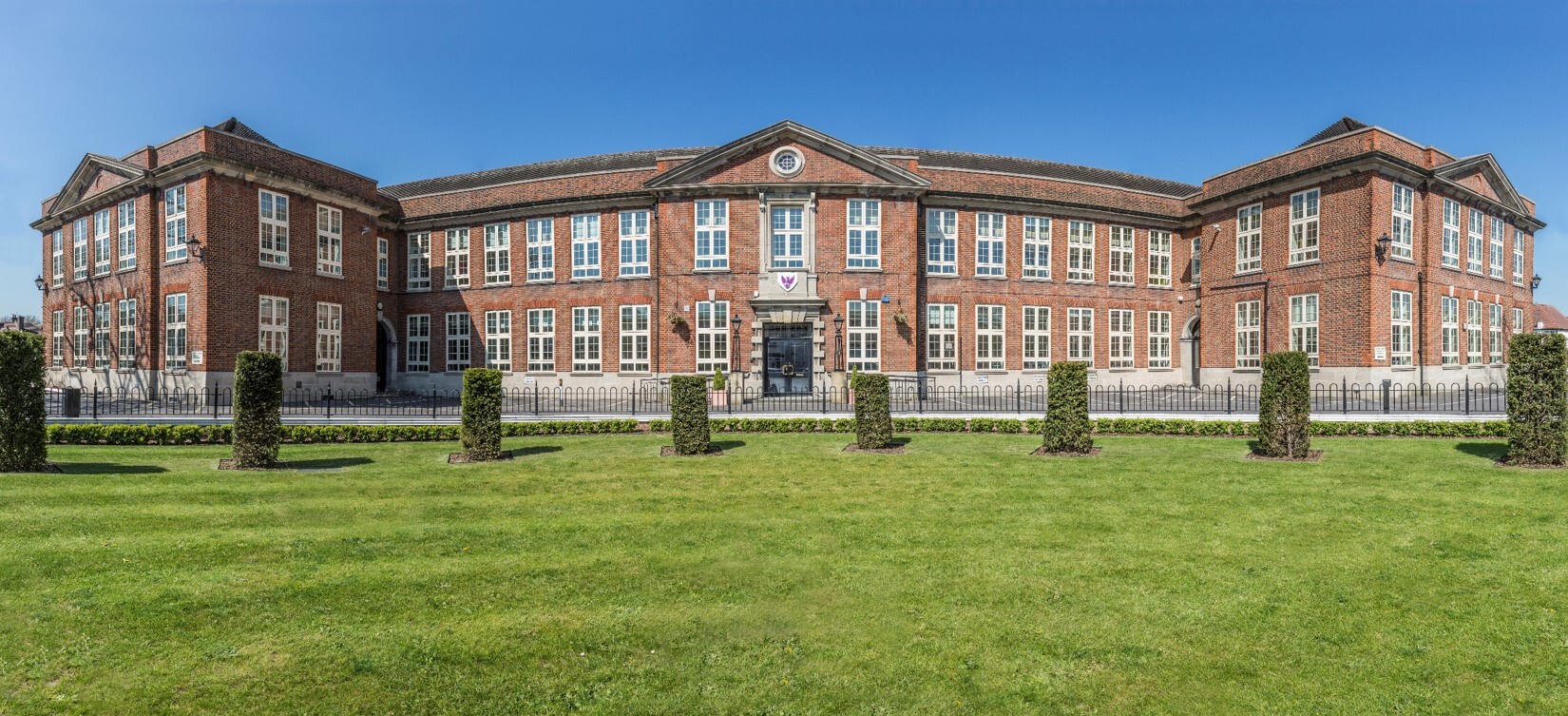
About Education Provider
| Region | London |
| Local Authority | Ealing |
| Ofsted Rating | Outstanding |
| Gender Type | Co-Educational |
| Address | Drayton Bridge Road, Hanwell, London, W7 1EU |
What do I need to know or be able to do before taking this course? You do not need to have studied Economics at GCSE in order to take an A Level course in the subject. It is more important that you should have a lively and enquiring mind, an interest in the Business and Economic world including politics and current affairs, a desire to explore new ideas and an ability to communicate your ideas effectively. What will I learn on this course? • Microeconomics (Demand and Supply, Market Failure, Competition) • Macroeconomics (inflation, Economic Growth, Unemployment, Fiscal and Monetary Policy • International Economics (Globalisation, Balance of Trade) What skills will I develop by doing this course? This course will enable you to develop some key skills, which will be essential to you whatever you go on to do afterwards. The key skills you can develop during this course are • Analysis and Evaluation • Interpretation of Data • Team working • Independent Learning What kind of student is this course suitable for? The course will appeal to students who • have an interest in Government Policies • Business and Strategy • International Relations • Financial markets and investment What could I go on to do at the end of my course? Students with A Level Economics have access to a wide range of possible career and higher education opportunities. These may include but are not limited to • Economics • Accounting and Finance • Law • Business Management (Marketing, HR, Operations) • Philosophy
Grade 5 in Economics GCSE or a Humanities subject. Grade 6 in Mathematics and Grade 5 in English GCSE Students will be guided onto a programme based on their attainment at GCSE as shown in the General Entry Criteria below. The programmes below are two-year Level 3 programmes of study and students will sit all public examinations at the end of Year 13 subject to meeting the conditions of continuation on Sixth Form Courses. Programme 4 Four A Levels 7 GCSEs Grades at 9-5 including English and Maths (plus subject specific entry criteria) Programme 3 Three A Levels/Vocational courses and EPQ 5 GCSEs Grades at 9-4 with a minimum of five or more Grade 5s including English and Maths (plus subject specific entry criteria) Programme 2 Three A Levels/Vocational courses 5 GCSEs Grades at 9-4 including English and Maths (plus subject specific entry criteria) Programme 1 Three A Levels/Vocational courses and Maths GCSE (retake) 5 GCSEs Grades at 9-4 including a Grade 5 in English and a Grade 3 in Maths (plus subject specific entry criteria) *All qualifications are Level 3 qualifications apart from the GCSE Maths retake which is a Level 2 qualification
Unit Title Weighting Assessment Type 1 Paper 1 Markets and Market Failure 33.3% Exam 2 Paper 2 National and International Economy 33.3% Exam 3 Paper 3 Economic Principles and Issues 33.3% Exam