What is Graphic Communication? Students should take this course if they: - Have a strong interest in visual arts and design. - Enjoy creative problem-solving and thinking outside the box. - Want to develop skills in digital tools like Adobe Illustrator, Photoshop, and InDesign. - Are interested in pursuing careers in graphic design, advertising, or branding. - Like working with typography, illustration, and visual storytelling. - Want to explore different materials and media to communicate ideas. - Have an eye for aesthetics and attention to detail. - Want to build a strong portfolio for further education in art or design-related fields. - Enjoy working on practical, hands-on design projects. - Are passionate about creating innovative solutions to visual communication challenges. Assessment AQA A Level Graphics is assessed through two main components: Component 1: Personal Investigation (60%) - This is a coursework-based component where students develop their own project based on a chosen theme. It includes a practical portfolio of work, such as sketches, design development, and final outcomes, alongside a written element (around 1000-3000 words) that supports and explains the design process and research. - Students are assessed on their ability to research, develop ideas, experiment with media, and produce a final piece that showcases their creative skills and understanding. Component 2: Externally Set Assignment (40%) - AQA provides a set of starting points or briefs, and students choose one to develop a project over a preparatory period (usually several weeks). - At the end of this period, students complete a final piece in a timed 15-hour practical exam under controlled conditions. This allows them to demonstrate their ability to produce a finished design based on their preparatory work. Both components assess students on their creativity, technical skills, and ability to communicate visually through design. Students will be judged on the course by the development of their Personal investigation and external set assignment. - AO1: Develop ideas through sustained and focused investigations informed by contextual and other sources, demonstrating analytical and critical understanding. (25 %) - AO2: Explore and select appropriate resources, media, materials, techniques and processes, reviewing and refining ideas as work develops.( 25%) - AO3: Record ideas, observations and insights relevant to intentions, reflecting critically on work and progress.( 25%) - AO4: Present a personal and meaningful response that realises intentions and, where appropriate, makes connections between visual and other elements. (25%) Where will this subject lead you? This subject will lead you to a Foundation course and then to a three year Graphics degree course.
Grade 6 or above in Art & Design GCSE or related subject.
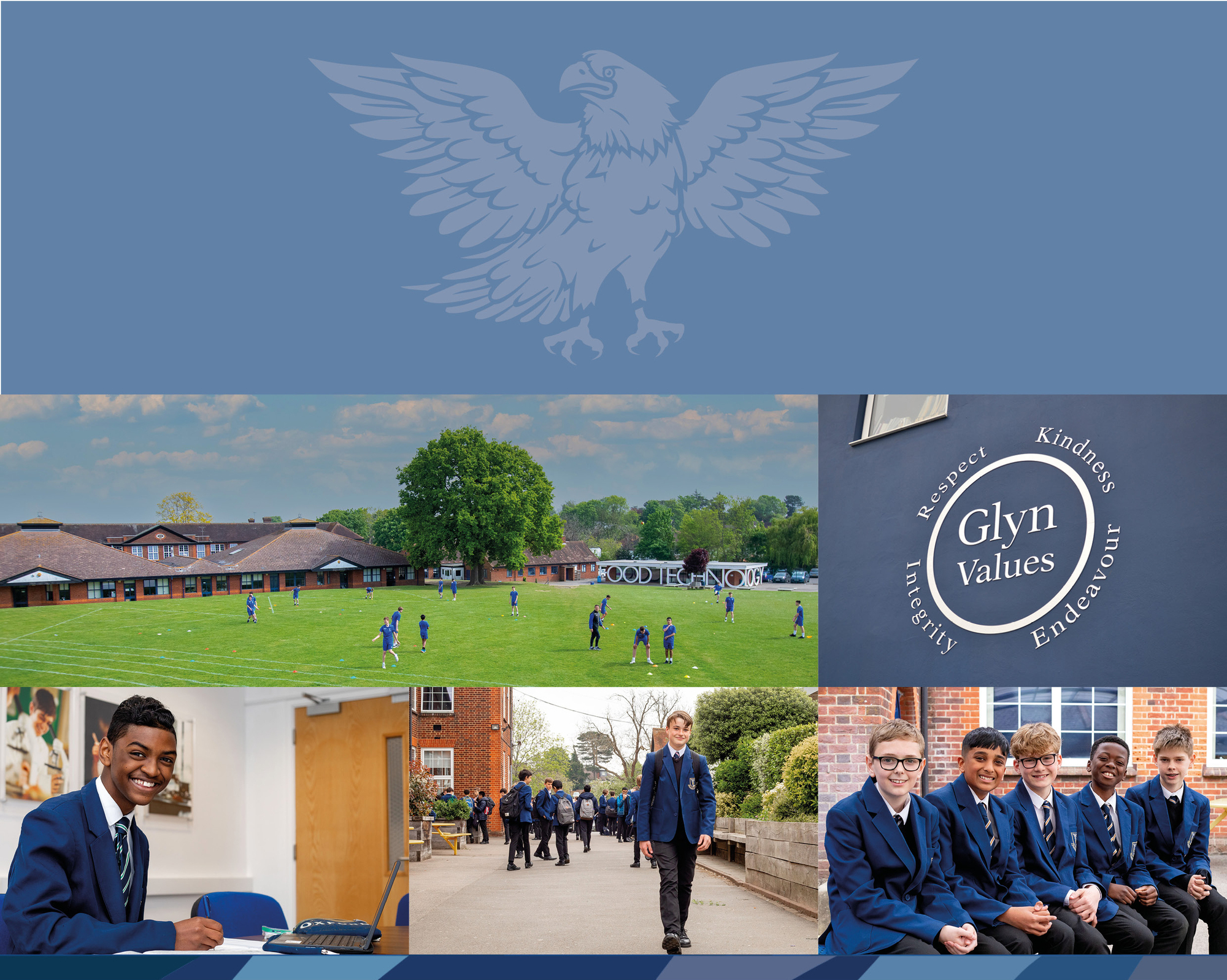
About Education Provider
| Region | South East |
| Local Authority | Surrey |
| Ofsted Rating | Outstanding |
| Gender Type | Boys |
| Address | The Kingsway, Ewell, Epsom, KT17 1NB |
What is Graphic Communication? Students should take this course if they: - Have a strong interest in visual arts and design. - Enjoy creative problem-solving and thinking outside the box. - Want to develop skills in digital tools like Adobe Illustrator, Photoshop, and InDesign. - Are interested in pursuing careers in graphic design, advertising, or branding. - Like working with typography, illustration, and visual storytelling. - Want to explore different materials and media to communicate ideas. - Have an eye for aesthetics and attention to detail. - Want to build a strong portfolio for further education in art or design-related fields. - Enjoy working on practical, hands-on design projects. - Are passionate about creating innovative solutions to visual communication challenges. Assessment AQA A Level Graphics is assessed through two main components: Component 1: Personal Investigation (60%) - This is a coursework-based component where students develop their own project based on a chosen theme. It includes a practical portfolio of work, such as sketches, design development, and final outcomes, alongside a written element (around 1000-3000 words) that supports and explains the design process and research. - Students are assessed on their ability to research, develop ideas, experiment with media, and produce a final piece that showcases their creative skills and understanding. Component 2: Externally Set Assignment (40%) - AQA provides a set of starting points or briefs, and students choose one to develop a project over a preparatory period (usually several weeks). - At the end of this period, students complete a final piece in a timed 15-hour practical exam under controlled conditions. This allows them to demonstrate their ability to produce a finished design based on their preparatory work. Both components assess students on their creativity, technical skills, and ability to communicate visually through design. Students will be judged on the course by the development of their Personal investigation and external set assignment. - AO1: Develop ideas through sustained and focused investigations informed by contextual and other sources, demonstrating analytical and critical understanding. (25 %) - AO2: Explore and select appropriate resources, media, materials, techniques and processes, reviewing and refining ideas as work develops.( 25%) - AO3: Record ideas, observations and insights relevant to intentions, reflecting critically on work and progress.( 25%) - AO4: Present a personal and meaningful response that realises intentions and, where appropriate, makes connections between visual and other elements. (25%) Where will this subject lead you? This subject will lead you to a Foundation course and then to a three year Graphics degree course.
Grade 6 or above in Art & Design GCSE or related subject.