Generally speaking, playing Music develops confidence, memory, self-management, hand-eye-coordination and a whole host of other skills. Couple that with the focus that the Music course and music technology at Sarum provides team working, performing under pressure, applying to briefs, reading various forms of notation, etc. and its easy to see why our Music and Music Technology students thrive in the next stages of their lives. The course is diverse and practical focused. There are two units specifically practical based (solo and in a group) which the prime focus is on the Music. We then look at another two units which develop key Music Technology skills where students learn all about DAW production (Digital Audio Workstation) and recording in a professional environment. This gives our students the best overall hands-on experience which is required within the modern music industry. WHAT WILL I STUDY You will study four main areas of Music, giving you the opportunity to develop a really rounded skillset: • Ensemble Skills • DAW Production (Digital Audio Workstation) • Solo Performance • Studio recording Techniques The Music Team has a huge range of experience and specialisms that you will draw on to support your learning, and the department itself has some fantastic resources that you can use throughout your course. Two band practice rooms set up with a drum kit, electric guitars, bass guitars, and microphones, two additional practice rooms with full size electric pianos, a Music technology suite with composition and recording software and lots of instruments you can use and borrow. As Sixth Formers, these rooms are open for you to use in your study periods and there is an ensemble and a community choir for you to take part in too. WHERE WILL THIS TAKE ME Studying Music and Music Technology can take you to lots of different places. Most obvious would be going on to study Music or Music Technology at University or a Higher Education institution, but this doesn’t have to be the only route. There are plenty of apprenticeship routes that can be considered and within our small city many job opportunities are available that are directly involved with the music industry or closely linked. Some people decide to continue to use their musical skills alongside another careers. Music can provide you with lots of opportunities to meet new people and get involved with many different projects it’s a great way to travel around the world! The options are endless!
Four subjects at GCSE Grade 4 or above, and you must have suitable skills and willingness to develop your initial musical ideas.
About Education Provider
| Region | South West |
| Local Authority | Wiltshire |
| Ofsted Rating | Good |
| Gender Type | Co-Educational |
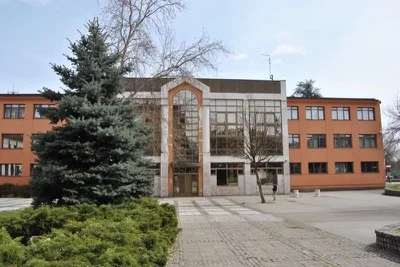
| Address | Westwood Road, Salisbury, SP2 9HS |
Generally speaking, playing Music develops confidence, memory, self-management, hand-eye-coordination and a whole host of other skills. Couple that with the focus that the Music course and music technology at Sarum provides team working, performing under pressure, applying to briefs, reading various forms of notation, etc. and its easy to see why our Music and Music Technology students thrive in the next stages of their lives. The course is diverse and practical focused. There are two units specifically practical based (solo and in a group) which the prime focus is on the Music. We then look at another two units which develop key Music Technology skills where students learn all about DAW production (Digital Audio Workstation) and recording in a professional environment. This gives our students the best overall hands-on experience which is required within the modern music industry. WHAT WILL I STUDY You will study four main areas of Music, giving you the opportunity to develop a really rounded skillset: • Ensemble Skills • DAW Production (Digital Audio Workstation) • Solo Performance • Studio recording Techniques The Music Team has a huge range of experience and specialisms that you will draw on to support your learning, and the department itself has some fantastic resources that you can use throughout your course. Two band practice rooms set up with a drum kit, electric guitars, bass guitars, and microphones, two additional practice rooms with full size electric pianos, a Music technology suite with composition and recording software and lots of instruments you can use and borrow. As Sixth Formers, these rooms are open for you to use in your study periods and there is an ensemble and a community choir for you to take part in too. WHERE WILL THIS TAKE ME Studying Music and Music Technology can take you to lots of different places. Most obvious would be going on to study Music or Music Technology at University or a Higher Education institution, but this doesn’t have to be the only route. There are plenty of apprenticeship routes that can be considered and within our small city many job opportunities are available that are directly involved with the music industry or closely linked. Some people decide to continue to use their musical skills alongside another careers. Music can provide you with lots of opportunities to meet new people and get involved with many different projects it’s a great way to travel around the world! The options are endless!
Four subjects at GCSE Grade 4 or above, and you must have suitable skills and willingness to develop your initial musical ideas.